
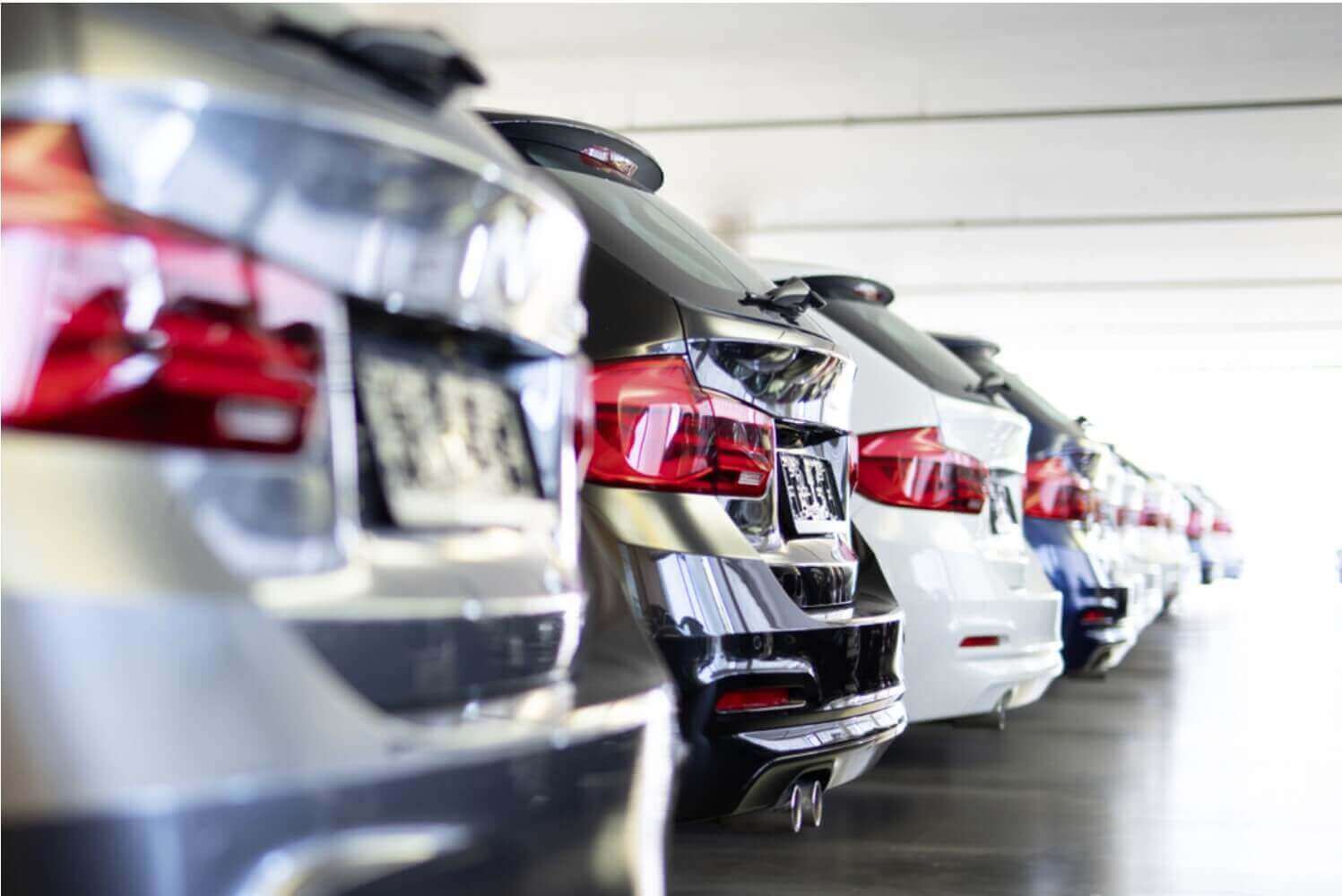
If your business operates several cars, vans or commercial vehicles, arranging separate insurance for every vehicle can quickly become difficult to manage. Different renewal dates, drivers, cover levels and policy documents all add to the administration involved in keeping a fleet on the road.
Fleet insurance brings multiple business vehicles together under one policy. For many businesses, this can simplify administration, make driver management easier and potentially provide a more cost-effective way to insure several vehicles.
Many fleet policies are available for businesses operating two or more vehicles, although minimum fleet sizes and eligibility requirements vary between insurers.
If you are new to this type of cover, our Beginner’s Guide to Fleet Insurance explains how fleet policies work and what to consider when arranging cover.
Here are four of the main benefits of fleet insurance for UK businesses.
One Policy Can Be Easier to Manage
One of the clearest advantages of fleet insurance is administrative simplicity.
Insuring vehicles individually can mean dealing with several policies, renewal dates, certificates and payment arrangements. As the fleet grows, keeping track of everything becomes more time-consuming.
A fleet policy can bring eligible vehicles together under a single arrangement.
That may mean:
- One main renewal date
- Fewer separate policy documents
- Easier vehicle additions and removals
- A clearer overview of the fleet
- More straightforward communication when changes are required
- Easier management of multiple drivers
This can be particularly useful for businesses that regularly replace vehicles or operate a growing fleet.
Good insurance administration should form part of wider fleet management. Our guide to managing a fleet of vehicles also covers vehicle inspections, driver checks, training and maintenance.
Fleet Insurance May Be More Cost-Effective
Fleet insurance can sometimes be more economical than arranging individual commercial motor policies for every vehicle, but this should not be treated as a guaranteed saving.
Insurers assess the overall fleet risk when calculating a premium.
Factors can include:
- Number of vehicles
- Type and value of vehicles
- Driver ages and experience
- Claims history
- Annual mileage
- Business activities
- Vehicle use
- Overnight parking arrangements
- Security measures
- Geographical operating area
A larger fleet does not automatically mean a larger percentage discount. A fleet with frequent claims or higher-risk drivers may cost more to insure than a well-managed fleet with a strong claims record.
The real advantage is that the insurer can assess the vehicles collectively rather than treating every one as an entirely separate risk.
Businesses looking to combine their vehicles under one arrangement can find more information about Motor Fleet Insurance.
Driver Management Can Become More Flexible
Businesses rarely operate with exactly the same drivers indefinitely.
Employees leave, new drivers join and existing members of staff may need to use different vehicles as workloads change.
Depending on the policy, fleet insurance can provide greater flexibility over who is insured to drive the vehicles.
Policies may be arranged on bases such as:
- Named drivers
- Any driver over a specified age
- Any authorised driver who meets particular criteria
- Restricted driver arrangements
The exact options vary considerably between insurers.
An “any driver” policy does not mean that literally anyone can drive the vehicle. Age limits, licence requirements, driving convictions, occupations and claims histories may still affect eligibility.
New drivers should therefore be checked against the policy conditions before they are permitted to use a fleet vehicle.
Businesses should also maintain their own driver-management procedures, including driving licence checks and records of accidents, convictions and relevant training.
Fleet Cover Can Help a Business Adapt as It Grows
A fleet rarely remains completely static.
A company might begin with two vans and later add company cars, specialist vehicles or additional commercial vehicles as it grows.
Managing those vehicles through one fleet arrangement can make expansion easier than repeatedly arranging completely separate policies.
Depending on the insurer and policy, businesses may be able to add or remove vehicles during the policy period as their requirements change.
The policy should always reflect the current fleet rather than the vehicles the business operated when the insurance was first arranged.
Review your cover when:
- A vehicle is purchased or leased
- A vehicle is sold
- Drivers join or leave
- Vehicle use changes
- Annual mileage increases substantially
- New contracts change how vehicles are used
- The business begins travelling further afield
- Different goods are carried
- Vehicles are modified
- Overnight parking arrangements change
Changes that appear relatively minor can affect the risk an insurer is covering.
Fleet Insurance Can Include Different Types of Vehicles
Fleet insurance is not necessarily restricted to a collection of identical company cars.
Depending on the insurer and nature of the business, a fleet may include a combination of:
- Cars
- Vans
- Pick-ups
- Commercial vehicles
- Specialist vehicles
- HGVs
The type of vehicles being operated is important because their risks can differ substantially.
A company running sales representatives in cars does not present the same insurance risk as a haulage company operating heavy commercial vehicles over long distances.
If your operation includes larger commercial vehicles, our HGV Insurance Guide explains some of the additional areas haulage and HGV operators should consider.
What Level of Fleet Insurance Do You Need?
The correct cover depends on the business, its vehicles and how they are used.
Fleet motor insurance can generally be arranged at different levels of cover, depending on what the insurer offers and what the business requires.
The cheapest option is not automatically the most suitable.
Businesses should consider the financial consequences of:
- Damage to their own vehicles
- Theft
- Fire
- Third-party claims
- Vehicle downtime
- Accidents involving employees
- Legal disputes following an incident
Additional protection may also be available depending on the policy.
This can include areas such as breakdown cover, legal expenses, excess protection and other commercial motor extensions.
What Happens When a Fleet Vehicle Is Off the Road?
Vehicle downtime can create costs beyond the repair itself.
If a van, car or commercial vehicle is essential for customer visits, deliveries or completing contracts, losing it following an accident can disrupt the wider business.
For businesses where uninterrupted access to a vehicle is particularly important, Guaranteed Replacement Vehicle cover may be worth considering alongside the main motor insurance arrangements.
The availability, replacement vehicle type and length of cover depend on the policy selected.
Businesses should check this before a claim rather than assuming an equivalent replacement vehicle will automatically be supplied.
Does Fleet Insurance Cover Any Driver?
Not automatically.
This is one of the areas that should be checked carefully when arranging a fleet policy.
Some policies provide relatively broad driver eligibility, while others impose restrictions.
An insurer may consider:
- Driver age
- Length of driving experience
- Type of driving licence
- Previous accidents
- Motoring convictions
- Vehicle type
- Occupation
- Driver use
A business should never assume a newly recruited employee is insured simply because the vehicle appears on the fleet policy.
Check driver eligibility first.
How Can You Reduce Fleet Insurance Costs?
Price is influenced by risk, so one of the best ways to manage insurance costs over the longer term is to manage the fleet properly.
Businesses can consider:
- Checking driving licences regularly
- Investigating accidents and near misses
- Providing appropriate driver training
- Maintaining vehicles correctly
- Keeping tyres in good condition
- Reviewing driver claims histories
- Using suitable vehicle security
- Choosing vehicles appropriate for the work
- Monitoring high-risk driving behaviour
- Keeping accurate fleet records
- Reviewing claims trends
- Removing vehicles and drivers that are no longer required
A strong claims history can be valuable when insurers assess a fleet.
Frequent minor accidents can also reveal wider problems. Repeated reversing damage, for example, may indicate that additional training, parking sensors or changes to working procedures are needed.
Is Fleet Insurance Always Cheaper Than Separate Policies?
No.
Although fleet insurance can be cost-effective, it should not be described as automatically cheaper.
Premiums depend on the risk being presented.
A business with two vehicles and two experienced drivers may find that individual policies remain competitive. Another company with several vehicles and frequently changing drivers may benefit more from placing everything under a fleet arrangement.
The comparison should consider more than the headline premium.
Also consider:
- Administration time
- Driver flexibility
- Policy excesses
- Cover levels
- Claims support
- Vehicle restrictions
- Optional extensions
- Policy conditions
The aim should be to find suitable cover for the way the business actually operates rather than simply selecting the lowest initial premium.
When Should You Review Your Fleet Insurance?
Do not wait until renewal if your business has materially changed.
Review the policy whenever the fleet, drivers or operations change significantly.
It is also sensible to carry out a more detailed review before renewal.
Check:
- Which vehicles are still owned or leased
- Current vehicle values
- Driver details
- Claims history
- Annual mileage
- Vehicle use
- Business activities
- Security arrangements
- Overnight parking
- Required cover extensions
Removing outdated information and adding new risks helps ensure the policy accurately reflects the fleet being insured.
Is Fleet Insurance Right for Your Business?
Fleet insurance can make sense for businesses that operate several vehicles and want a more straightforward way to manage their commercial motor cover.
The four main potential benefits are clear:
- Simpler administration
- Potential cost efficiencies
- More flexible driver management
- Easier management as the fleet changes
However, the right policy still depends on the vehicles, drivers, business activities and claims history involved.
A fleet policy should be built around the way your business actually uses its vehicles rather than treating every fleet as though it presents the same risk.
If you operate multiple business vehicles, reviewing your existing arrangements against a dedicated fleet policy can help determine whether consolidating them would provide better administration, flexibility or value.