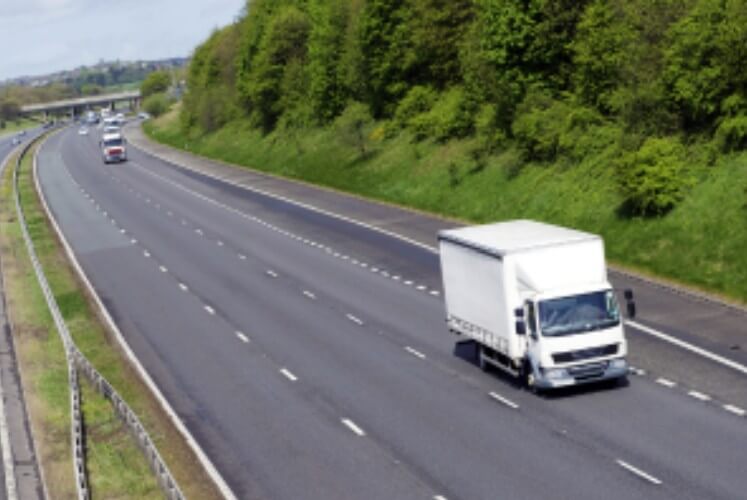
Heavy Goods Vehicles (HGVs) play a vital role in keeping the UK economy moving. Whether you’re supplying products to the manufacturing industry, transporting agricultural goods or delivering stock to retailers, your vehicles are essential to your business.
HGVs are generally goods vehicles with a maximum authorised mass exceeding 3.5 tonnes. Operating these vehicles comes with significant financial responsibilities, and having inadequate insurance could leave your business facing substantial unexpected costs.
From accidents and vehicle theft to damaged cargo and unexpected breakdowns, there are numerous risks that haulage operators need to consider.
Choosing the right HGV insurance helps protect your vehicles, drivers, goods and business operations. However, not all policies provide the same level of protection.
Understanding Your HGV Insurance Requirements
Every haulage business operates differently, so insurance requirements can vary considerably.
Perhaps you primarily transport your own manufactured products, deliver components to other businesses or provide general haulage services for customers.
Your requirements will differ from those of a specialist transport company moving high-value equipment or an agricultural business operating within a smaller geographical area.
Similarly, a company transporting goods across Europe may need additional protection that would not be necessary for a business operating exclusively within the UK.
When selecting HGV insurance, you should consider:
- The number and type of HGVs your business operates.
- Whether you transport your own goods or carry goods for hire and reward.
- The number of drivers you employ and their driving experience.
- The distances your vehicles travel and whether they operate internationally.
- The type, quantity and value of goods you transport.
- Whether your vehicles carry specialist or hazardous materials.
- The value of your vehicles, trailers and other equipment.
- Any additional protection needed to minimise financial losses.
Understanding these factors will help you select appropriate insurance without paying for unnecessary features.
Is HGV Insurance a Legal Requirement in the UK?
Yes. Under UK motor insurance law, vehicles used on roads or other public places must have at least third-party insurance, subject to limited legal exceptions.
This requirement applies to HGVs exceeding 3.5 tonnes, but it is not exclusive to heavy goods vehicles. Third-party motor insurance is the minimum legal requirement for road-going motor vehicles generally.
Driving without the required insurance can result in penalties, prosecution and potentially having your vehicle seized.
However, while third-party cover satisfies the minimum motor insurance requirement, it does not necessarily provide adequate financial protection for a commercial haulage business.
For this reason, many operators choose more extensive cover.
The Three Main Levels of HGV Insurance Cover
HGV insurance is available in three main categories, similar to standard motor insurance. However, commercial haulage operations often require additional protection beyond the vehicle itself.
Third-Party Only (TPO)
Third-party only insurance provides the minimum level of motor insurance legally required for using an HGV on UK roads.
It covers your legal liability if your vehicle causes injury to another person or damages another vehicle or someone else’s property.
However, third-party insurance does not cover the cost of repairing or replacing your own HGV following an accident for which you are responsible.
For example, if one of your drivers causes a collision that damages another vehicle and your own lorry, your insurer would cover eligible third-party claims, but your business would need to fund repairs to its own HGV.
Given the potentially high cost of repairing commercial vehicles, this could represent a significant financial risk.
Third-Party, Fire and Theft (TPFT)
Third-party, fire and theft insurance provides the same basic protection as third-party only insurance, with additional cover if your HGV is stolen or damaged by fire.
Depending on your policy, this can include the cost of repairing or replacing the insured vehicle following an eligible incident.
However, this level of insurance generally does not cover accidental damage to your own HGV following a collision where your driver is responsible.
It may be suitable for certain operators seeking additional protection without purchasing fully comprehensive insurance.
Fully Comprehensive HGV Insurance
Fully comprehensive insurance offers the broadest of the three standard levels of motor cover.
It typically includes:
- Third-party injury and property damage liability
- Theft of the insured HGV
- Fire damage
- Accidental damage to your own vehicle
- Repairs following an insured collision, including where your driver is at fault
Comprehensive insurance may also include additional features, depending on the insurer and policy selected.
For many haulage operators, the extra protection can be valuable because even relatively minor accidents involving heavy commercial vehicles can result in expensive repair bills.
However, comprehensive insurance does not automatically protect your cargo, trailers in every circumstance or business income. These may require separate policies or additional extensions.
Important HGV Insurance Add-Ons and Additional Cover
The three main levels of motor insurance provide a starting point, but haulage businesses often need protection against risks beyond vehicle damage.
Depending on your operations, the following additional covers may be worth considering.
Goods in Transit Insurance
If your business transports goods, you should consider what would happen if a load were stolen, lost or damaged before reaching its destination.
Goods in transit insurance provides protection against specified risks affecting the products and materials you transport.
For example, if a vehicle is involved in an accident and the goods being transported are damaged, suitable cover can help protect against the resulting financial loss or liability.
There are different types of goods in transit protection available, including:
- RHA Conditions: Cover arranged around the carrier’s liabilities under applicable Road Haulage Association conditions of carriage.
- All Risks Cover: Broader protection against accidental physical loss or damage, subject to policy exclusions and limits.
- CMR Cover: Insurance designed to address liabilities arising under the CMR Convention, which applies to qualifying international road carriage contracts.
The right option will depend on your contracts, the goods being transported and the geographical areas in which you operate.
It’s important to understand the risks of goods being stolen or damaged while in transit, particularly when transporting valuable products.
Goods in transit insurance is not necessarily included within a standard HGV motor policy, so always check your documents.
Public Liability Insurance
Public liability insurance protects your business against certain third-party claims arising from its activities outside the scope of standard motor insurance.
For example, your employees could accidentally damage a customer’s property while loading or unloading goods at their premises.
Depending on the circumstances and policy wording, public liability insurance may help cover compensation and associated legal expenses.
This can be particularly important for haulage operators who regularly visit customer premises, warehouses, factories and construction sites.
Employers’ Liability Insurance
If your haulage business employs drivers or other staff, employers’ liability insurance will generally be a legal requirement, subject to certain exemptions.
This cover helps protect businesses against compensation claims from employees who suffer work-related injuries or illnesses.
For example, an employee might sustain an injury while handling equipment or carrying out loading activities.
UK employers who require this insurance must normally have at least £5 million of cover, although many policies provide £10 million.
Find out more about employers’ liability insurance and how it can protect your business.
HGV Breakdown and Recovery Cover
An unexpected breakdown can cause significant disruption to a haulage business.
If a vehicle breaks down during a delivery, you could face recovery expenses, repair costs, missed delivery deadlines and unhappy customers.
Appropriate breakdown cover can provide practical support following a mechanical or electrical failure.
Depending on the policy, protection may include roadside assistance, vehicle recovery, onward transport arrangements and European assistance.
Some specialist policies may also offer protection for additional costs associated with interrupted deliveries, although these expenses are not automatically included in ordinary breakdown insurance.
Haulage businesses should check that their recovery arrangements are suitable for the weight and type of vehicles they operate.
Additional options worth considering include debris recovery and protection against damage to locks or vehicle security systems.
Trailer Insurance
Trailers represent a significant investment and may not always be adequately protected by standard HGV motor insurance.
Although some policies provide protection when trailers are attached to an insured vehicle, cover for detached trailers may be more limited.
For example, a trailer parked at a depot or left unattended could be exposed to theft, accidental damage or other risks.
Trailer insurance can provide additional protection for owned or hired trailers, including situations where they are detached from the main vehicle.
Operators should check the policy conditions relating to parked trailers, security requirements and whether cover applies when trailers are being used by another haulier.
Legal Expenses Insurance
Legal disputes following road traffic accidents can result in unexpected expenses for haulage businesses.
Legal expenses insurance can help with the cost of obtaining legal assistance in specified circumstances.
Depending on your policy, this could include legal support for recovering uninsured losses following a non-fault accident, such as vehicle excesses, certain losses of earnings or compensation for driver injuries.
Cover may include access to legal advisers and help towards eligible solicitors’ fees.
However, legal expenses insurance is not a guarantee that every legal dispute or financial loss will be covered.
Personal Accident Cover
Accidents involving HGVs can result in serious injuries, potentially leaving drivers unable to work for extended periods.
Personal accident insurance can provide financial support following specified accidental injuries.
Depending on the policy, benefits may include fixed payments for serious injuries, permanent disability or accidental death.
This protection can be especially valuable for owner-drivers and smaller haulage businesses, where the loss of a key driver could have a significant financial impact.
Sickness and Income Protection
Although accidents are an obvious concern for haulage businesses, illness can also cause financial difficulties.
If an owner-driver becomes too ill to work, their income could be affected while vehicle finance payments and other business expenses continue.
Appropriate accident and sickness or income protection insurance may provide financial support if an insured individual is unable to work because of illness or injury.
This type of protection is generally arranged separately from standard HGV motor insurance and should be considered alongside your existing employment and business arrangements.
Single-Vehicle Insurance vs HGV Fleet Insurance
The number of vehicles your business operates can affect how your insurance is arranged.
There are two main policy structures to consider.
Single-Vehicle HGV Insurance
Single-vehicle insurance is designed for operators who need protection for one commercial vehicle.
This is a common option for owner-drivers, independent hauliers and small businesses operating a single lorry.
The policy can be tailored to the vehicle, its use, the drivers insured and any additional protection required.
It is generally straightforward to administer and allows operators to choose cover based on their individual requirements.
HGV Fleet Insurance
Businesses operating multiple HGVs may benefit from placing their vehicles under a single fleet insurance policy.
Fleet insurance can simplify administration by bringing several vehicles together under one insurance arrangement.
Potential advantages include:
- A single policy covering multiple eligible vehicles
- Simplified renewal and administration
- The ability to add or remove vehicles as the fleet changes
- Options for covering multiple authorised drivers
- Potential cost efficiencies depending on fleet size and claims history
Fleet insurance is not automatically cheaper than separate policies, but it can provide a more practical solution for businesses managing several vehicles.
Our multi-vehicle fleet insurance service provides further information about the options available.
How Can You Reduce the Cost of HGV Insurance?
HGV insurance represents a significant ongoing expense, particularly for businesses operating several vehicles.
However, there are steps you can take to manage your premiums without compromising essential protection.
Employ Experienced Drivers
Insurers consider driving experience, claims history, convictions and licence details when calculating premiums.
Employing drivers with appropriate qualifications and a strong driving record may help your business secure more favourable insurance terms.
Install Cameras and Vehicle Tracking
Dashcams, GPS tracking and telematics systems can help businesses monitor vehicle use, driving behaviour and potential risks.
These systems may also provide valuable evidence following an accident or insurance claim.
Some insurers may offer more competitive terms where effective fleet safety measures are in place.
Review Your Operating Radius
The distances your vehicles travel can influence insurance costs.
A business operating within a limited geographical area may have different insurance requirements from one transporting goods nationwide or internationally.
Providing insurers with accurate information about your operating area can help ensure your policy is appropriately priced.
Consider a Higher Voluntary Excess
Increasing your voluntary excess may help reduce your insurance premium.
However, you should only select an excess your business could comfortably afford if a claim were necessary.
A lower premium is not necessarily worthwhile if your business would struggle to meet the excess following an accident.
Maintain Your Vehicles and Improve Security
Regular servicing, vehicle maintenance and appropriate security measures can reduce the risk of breakdowns, accidents and theft.
Secure overnight parking, immobilisers and suitable fleet management procedures may also be considered by insurers when assessing risk.
Review Your Policy Regularly
As your haulage business develops, your insurance requirements may change.
You might purchase additional vehicles, employ new drivers, begin transporting different goods or expand into European deliveries.
Reviewing your cover regularly helps ensure you are not paying for unnecessary protection or leaving important risks uninsured.
For further information about pricing, read our guide on how much HGV insurance costs.
Are You Fully Covered? Important Questions to Ask
Before renewing or purchasing HGV insurance, it is worth checking whether your existing policy meets your current business requirements.
Consider the following questions:
- Are all your vehicles and authorised drivers correctly insured?
- Does your policy cover the type of haulage work you undertake?
- Are the geographical limits suitable for your delivery routes?
- Is the value of your vehicles accurately reflected in your cover?
- Are your goods protected against loss, damage and theft?
- Does your policy provide appropriate protection for trailers?
- Do you have suitable breakdown and recovery arrangements?
- Are your employers’ liability and public liability requirements covered?
- Would your business be financially protected if a key vehicle were unavailable?
- Have you reviewed the exclusions, excesses and policy limits?
Identifying gaps before an incident occurs can prevent significant financial difficulties later.
You can also read our related guide, Does Your HGV Have the Correct Insurance?, for further guidance.
Choosing the Right HGV Insurance
Whether you operate a single HGV or manage a large commercial fleet, having the right insurance is essential to protecting your business.
While third-party insurance meets the minimum legal motor insurance requirement, it may not provide sufficient protection against the wider risks associated with commercial haulage.
Comprehensive vehicle insurance, goods in transit cover, breakdown recovery, trailer protection and appropriate liability insurance can all play important roles in safeguarding your operations.
The most suitable policy will depend on the vehicles you operate, the goods you transport, your drivers and the nature of your business.
At West Craven Insurance, we understand that your HGVs are closely connected to your livelihood. As an independent insurance broker, we work with a range of insurers to help owner-drivers and haulage businesses find suitable cover.
We can help you review your requirements and explore policies designed to protect your vehicles, drivers and business operations without paying for unnecessary extras.
If you’re looking for a competitive HGV insurance quote, contact our team or call 01756 802 100 to discuss your requirements.