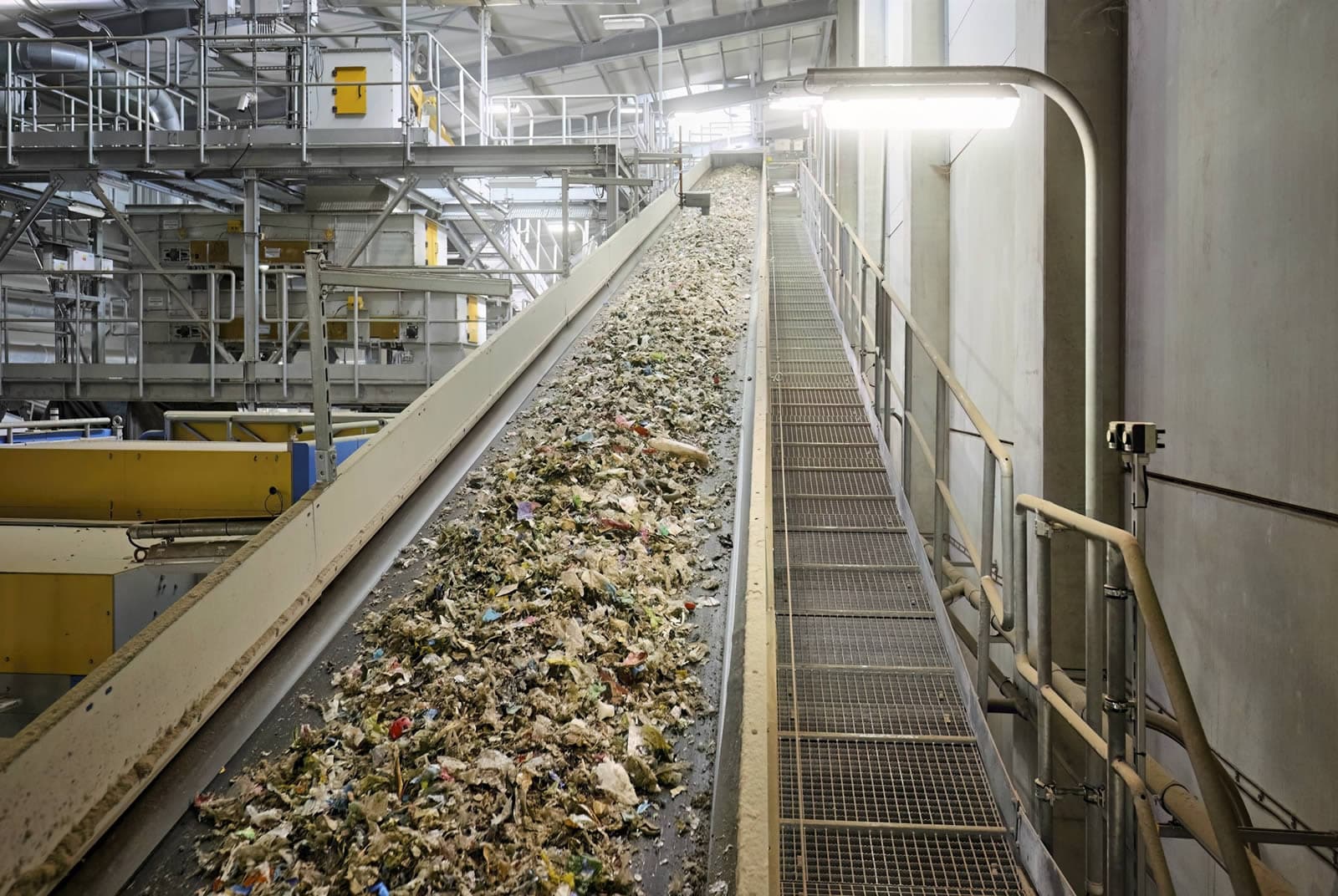
Waste and recycling businesses deal with risk every single day. Vehicles are on the road early, heavy machinery is in regular use, staff are handling unpredictable waste streams, and sites often face fire, pollution, and interruption exposures that can escalate quickly. That is why insurance in this sector cannot be treated as a generic box-ticking exercise. It needs to reflect how the business actually operates.
A small waste collection firm will not need the same protection as a multi-site recycling processor. A skip hire operator has a different profile from a hazardous waste handler. A broker or consultant in the sector may need a different balance of cover again. Even so, the same principle runs through all of them: the right policy structure should protect the business against injury claims, damage, interruption, environmental issues, vehicle losses, equipment problems, and the wider liabilities that come with operating in a highly regulated industry.
Why waste and recycling businesses usually need specialist insurance
Waste and recycling is not a low-risk trade. Businesses in this sector often combine transport, storage, machinery, manual handling, public interaction, and environmental exposure in the same operation. That creates a more complex insurance picture than many standard businesses face.
This can include:
- Transport and vehicle movement
- Storage of waste and recyclable materials
- Machinery and processing equipment
- Manual handling and employee injury risk
- Public interaction during collections or site visits
- Environmental exposure linked to spills, leakage, or contamination
You may have collection vehicles moving through residential streets, staff working around compactors and balers, materials that can contaminate land or water if something goes wrong, and depots or processing sites where fire can spread quickly. On top of that, many businesses also need to think about contract requirements, regulatory expectations, and the financial impact of downtime if a key vehicle, machine, or site goes out of use.
That is why many brokers and insurers treat waste and recycling as a specialist area rather than a routine commercial policy. The risk profile is broader, the claims can be more expensive, and the wrong policy wording can leave serious gaps in cover.
Start with a commercial combined approach
For many waste and recycling businesses, the starting point is not one single insurance policy but a commercial combined arrangement built around the activities of the business. That matters because the sector usually needs a mix of covers rather than one simple standalone product.
A commercial combined structure can help bring together key protections such as liability cover, property insurance, plant and equipment cover, business interruption, and other essential sections under one coordinated approach. That tends to make more sense than trying to patch protection together without looking at how the different risks connect.
The exact mix will always depend on the business. A company focused on transport may need the policy built heavily around vehicle and liability exposure. A site-based recycling business may need more emphasis on machinery, buildings, fire risk, and interruption. Either way, the point is the same: waste and recycling insurance works best when it is built around the operation rather than bought as a generic off-the-shelf product.
Public liability insurance
Public liability insurance is one of the most important covers for businesses in this sector. Waste and recycling firms often work in places where the public, customers, contractors, and other third parties can be affected by what happens on site or during collection and transport.
A member of the public could be injured by vehicle movements, falling materials, spillages, or site activity. Property could be damaged during collection, loading, unloading, or processing. Even a relatively small incident can become expensive once legal costs, compensation, and disruption are taken into account.
That is why public liability cover is usually seen as a core requirement. It helps protect the business if third parties claim for injury or property damage linked to your operations. For firms with regular roadside collections, skip movements, depot traffic, or customer-site activity, this is not an optional extra. It is a central part of the insurance structure.
Employers’ liability insurance
If you employ staff, employers’ liability insurance is usually a legal requirement in the UK. In waste and recycling, it is especially important because the work often involves a higher level of day-to-day risk than many other sectors.
This can include:
- Machinery and moving equipment
- Vehicle movements on site and on the road
- Heavy lifting and manual handling
- Repetitive strain and physical wear
- Noise, dust, and debris
- Exposure to potentially harmful materials
Even well-managed businesses can face claims if an employee is injured or becomes ill because of their work. That could involve a sudden accident, such as a lifting injury or contact with machinery, or it could relate to a condition that develops over time through repeated exposure or strain.
Given the physical nature of many waste and recycling roles, employers’ liability should never be treated as a routine add-on. It sits alongside public liability as one of the main foundations of a strong insurance structure. If a business has employees on the payroll, this is normally one of the first covers that needs to be in place.
Motor fleet and commercial vehicle insurance
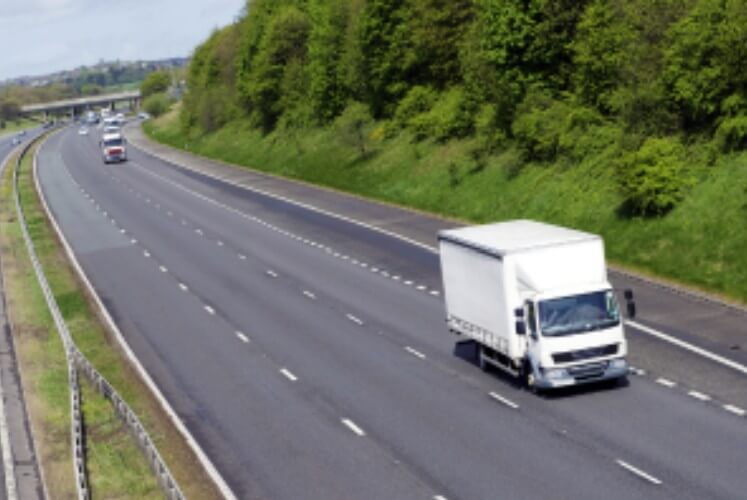
A large part of the sector depends on vehicles. That could mean skip lorries, refuse vehicles, vans, grab lorries, hook loaders, tankers, or specialist transport moving materials between sites. Standard vehicle insurance is rarely enough on its own if the business is involved in waste collection, transport, or site logistics.
Waste and recycling vehicle cover often needs to consider more than basic road risks. Vehicles may carry specialist equipment, operate in difficult conditions, move between depots and customer sites, and face higher exposure to accidental damage, theft, breakdowns, and third-party claims. In some cases, cover may also need to reflect the goods or materials being moved.
If transport is central to the business, motor fleet insurance can be one of the most important policy sections. It can help bring multiple vehicles under one arrangement and make it easier to reflect the real nature of the operation rather than insuring each vehicle in isolation.
Environmental liability and pollution cover
One of the biggest reasons waste and recycling businesses need specialist insurance is environmental exposure. Spillages, contamination, leakage, accidental disposal issues, and pollution incidents can create major costs very quickly. That is especially true where clean-up, regulatory involvement, land or water damage, and third-party losses are involved.
This is the area where many standard policies can fall short. Businesses sometimes assume pollution or environmental damage is automatically covered, only to find there are restrictions or exclusions when a claim arises. In this sector, that gap can be serious.
Environmental liability cover is therefore a major consideration for waste and recycling firms, especially if they transport waste, handle hazardous materials, store waste on site, or operate in ways that could affect the environment if something goes wrong. The cost of clean-up alone can be substantial, without even getting into legal and regulatory consequences.
Plant, machinery, and equipment cover
Many operations in this sector rely on expensive machinery. Balers, shredders, compactors, loading systems, sorting equipment, lifts, and other specialist assets are often central to the business. If that equipment is damaged, stolen, or breaks down, the impact can go well beyond the repair bill.
A key machine being out of action can slow or stop operations altogether. Contracts can be affected, collections may be delayed, processing capacity may fall, and staff can be left unable to work at normal output. That is why plant and machinery cover is so important in waste and recycling insurance.
For some businesses, tools and portable equipment also need to be considered. The right structure depends on how the equipment is used, where it is kept, how mobile it is, and how important it is to the day-to-day running of the business.
Property insurance for depots, yards, and facilities
If the business owns or is responsible for buildings, sheds, offices, depots, processing areas, or storage facilities, property insurance is another major part of the cover. Waste and recycling sites can face higher than average risk because they often bring together several exposures in one place.
This can include:
- Vehicle movements across the site
- Fixed plant and heavy machinery
- Stock and stored materials
- Combustible waste streams
- Pressure on space, access, and operations
- Increased fire and damage exposure
Fire is a particularly important issue. Across the sector, fire risk has become a growing concern, especially where mixed loads, batteries, and combustible waste streams are involved. A site fire can damage buildings, destroy stock and equipment, stop trading, and lead to very large losses.
That makes property cover more than a routine building section. It forms part of the wider resilience of the business. In some cases, insurers will look closely at site layout, housekeeping standards, fire prevention measures, material segregation, and general risk management before they offer terms.
Business interruption insurance
Business interruption cover is often overlooked until something goes wrong. In waste and recycling, that can be a costly mistake. If a fire, flood, machinery problem, or major insured event stops the business from operating properly, the loss is not limited to the physical damage.
You may also face lost income, standing costs, delays, missed contracts, reputational strain, and added expense while trying to keep the business running. If a key site is shut or a major part of the operation cannot function, the financial pressure can build fast.
Business interruption insurance can help protect revenue and ongoing costs after an insured event disrupts trading. For many firms, it is the difference between a serious incident being survivable and it becoming a much bigger business threat.
Goods in transit cover
If the business carries tools, equipment, stock, or other items in transit, goods in transit cover may be relevant as well. This can be especially useful where materials or equipment move between locations and there is a risk of loss or damage while being transported.
Not every waste and recycling firm will place the same emphasis on this section, but for operations with regular transport movement, it can be a useful addition to the wider policy structure. It is another example of why sector insurance needs to be shaped around the real movement of the business rather than broad assumptions.
Professional indemnity insurance
Professional indemnity insurance is not essential for every waste and recycling business, but it can be important where advice, consultancy, brokerage, compliance support, or specialist recommendations form part of the service.
This can apply to:
- Waste brokers and intermediaries
- Compliance-led businesses
- Environmental consultants
- Specialist advisers and assessors
- Firms giving technical recommendations
- Businesses providing guidance beyond physical operations
If a client alleges that your advice, specification, or professional service caused them financial loss, this is the type of cover designed to respond. It is there to protect the business where the issue is not physical damage or injury, but a claim linked to the professional service provided.
For businesses operating only in straightforward collection, transport, or processing roles, it may be less central than liability, fleet, or plant cover. But for brokers, consultants, compliance-focused businesses, and firms offering specialist guidance, it can be an important part of the insurance structure.
This is one of the reasons there is no single perfect policy for the whole sector. The right insurance depends on what the business actually does, not just the label it operates under.
Cyber insurance and management liability
Waste and recycling businesses are not purely physical operations anymore. Many rely on scheduling systems, customer databases, billing software, vehicle tracking, and digital communication. That creates exposure to cyber incidents, system disruption, and data issues.
Cyber insurance is therefore becoming more relevant, especially for larger or more connected operations. A cyber event can affect collections, billing, reporting, communications, and business continuity.
Some businesses may also need to think about directors’ and officers’ insurance or other management liability protection, particularly where senior decision-makers could face claims connected to the running of the business. This will not be relevant to every small operator, but it is increasingly part of the wider conversation for more developed firms.
Which waste and recycling businesses may need this type of cover?
The sector is broad, and the same insurance conversation now applies across a wide range of business types. That can include waste collection companies, recycling centres, processors, skip hire operators, waste transfer stations, scrap and dismantling businesses, hazardous waste handlers, composting operations, brokers, dealers, and multi-site waste management firms.
Some are mainly transport-led. Some are yard- or plant-led. Some focus on brokerage or consultancy. Some handle more hazardous or tightly regulated materials than others. The point is not that they all need identical cover. It is that they all need insurance built around their actual activities, exposures, and contractual obligations.
What insurers and brokers usually look at
When arranging cover in this sector, insurers and brokers will often want a clear picture of how the business operates. That can include the types of waste handled, site setup, machinery in use, staff training, compliance history, fire prevention controls, claims history, vehicle management, and general health and safety standards.
That is because the quality of risk management has a direct effect on both insurability and pricing. A business with strong controls, good training, clear procedures, and a well-managed site will usually present differently from one with a poor claims record or unclear operating standards.
Insurance in this sector is not just about buying limits. It is also about showing that the business understands its own exposure and is taking sensible steps to manage it.
How much does waste and recycling insurance cost?
There is no single price that fits every business. Cost depends on the size of the operation, the work carried out, the number of vehicles, plant and machinery values, payroll, claims history, site conditions, waste types handled, and the limits and sections of cover chosen.
A small operator with limited exposure will naturally look different from a larger firm with multiple vehicles, several sites, expensive equipment, and more complex environmental risks. That is why price-shopping on headline figures alone is rarely the best approach.
The better question is whether the policy matches the operation. A cheaper premium can look attractive until you discover that pollution, interruption, machinery, or contract-critical liabilities are not covered in the way you assumed.
Final thoughts
So, what insurance do waste and recycling businesses need in the UK? In most cases, they need a specialist combination rather than a single simple policy. Public liability, employers’ liability, motor fleet or commercial vehicle insurance, environmental liability, plant and machinery cover, property insurance, and business interruption are often the core sections. From there, cover may also extend to goods in transit, professional indemnity, cyber, directors’ and officers’ insurance, and other specialist protections depending on the business.
The real answer comes down to risk profile. Waste and recycling firms face a mix of transport risk, machinery exposure, environmental liability, site hazards, and interruption pressures that make generic cover a poor fit in many cases. The right insurance should reflect how the business actually works, where the biggest risks sit, and what could cause the most serious loss if something goes wrong.
If the policy is built properly, it does more than satisfy a requirement. It helps protect the business, its people, its equipment, its income, and its ability to keep operating when the unexpected happens.