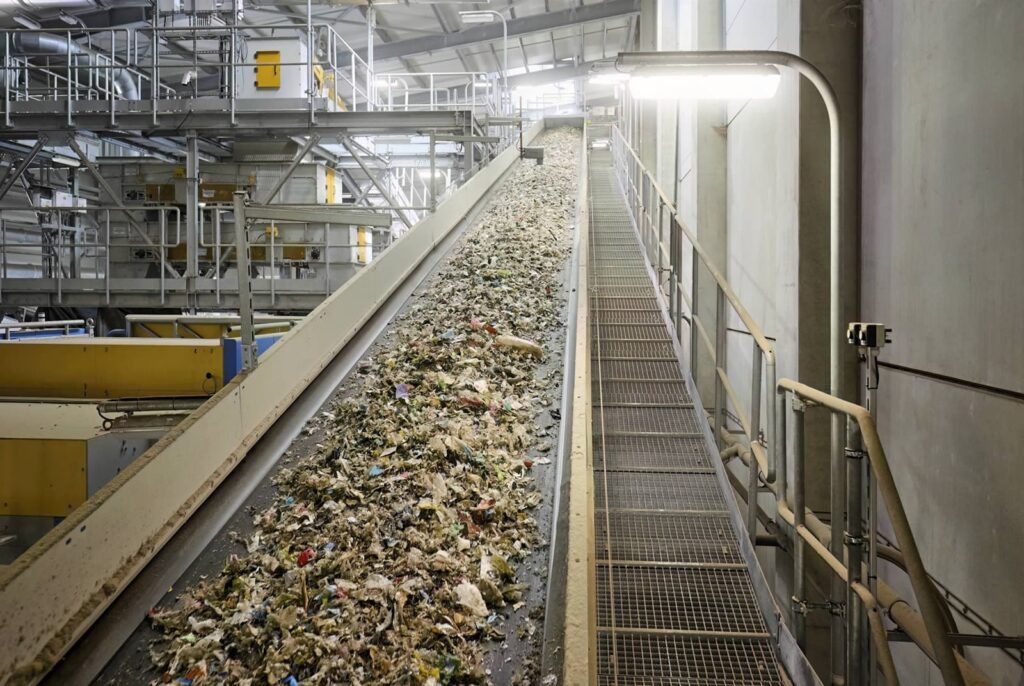

Waste and recycling businesses rarely face one straightforward category of risk.
A single working day may involve collection vehicles operating in public areas, employees handling unpredictable materials, heavy machinery processing waste, contractors entering a site and combustible materials being stored close to valuable equipment.
When several risks overlap, standard business insurance may not provide the protection an operator assumes it does. A policy might cover the premises but restrict certain materials. It may insure a vehicle without addressing pollution arising from its load. It may protect machinery against fire but not against an internal mechanical breakdown.
Specialist waste and recycling insurance matters because the policy needs to reflect the actual operation, rather than treating the business like an ordinary warehouse, transport company or general contractor.
Being Insured Is Not the Same as Being Properly Insured
Most business owners understand that they need insurance. The more difficult question is whether the policy accurately describes everything the business does.
Waste operations vary considerably. A skip hire company does not present the same risk as a materials recovery facility. A scrap metal merchant will have different equipment, materials and fire exposures from a waste broker. A company handling hazardous waste requires a different assessment from one collecting dry mixed recycling.
A general policy may not account for differences such as:
- The Waste streams being accepted.
- The Quantities stored at any one time.
- The Machinery used to sort or process materials.
- The Vehicles used for collections and transportation.
- The Work carried out at customers’ premises.
- The Presence of combustible or hazardous materials.
- The Environmental permits and registrations held.
- The Use of subcontractors, temporary staff or agency workers.
- The Potential time required to replace specialist equipment.
Specialist insurance begins with understanding these details. Without them, an insurer may be assessing a business that looks very different on paper from the operation taking place in practice.
Waste and Recycling Has a Distinct Risk Profile
Waste businesses combine many of the risks found in transport, manufacturing, warehousing and environmental services.
Employees may work around compactors, conveyors, shredders, balers, loading shovels and moving vehicles. They may also be exposed to sharp objects, dust, noise, biological hazards and materials that have been incorrectly placed in a waste stream.
The Health and Safety Executive recorded six worker fatalities in the waste and recycling sector during 2025/26. That figure is provisional and is due to be finalised in July 2027. HSE also states that musculoskeletal disorders account for approximately one-third of reported injuries within the industry.
These figures do not mean that every waste business is unsafe. They demonstrate why insurers need to understand the controls surrounding machinery, vehicle movements, manual handling, training and site management.
A specialist insurer or broker is more likely to ask detailed questions about those controls instead of relying only on turnover, payroll and building value.
The Materials You Handle Can Change the Insurance Risk
The term “waste” covers an enormous range of materials.
Cardboard, wood, plastics, scrap metal, electrical equipment, construction waste, chemicals, oils, batteries and mixed municipal waste each present different hazards. Even a business that does not intentionally accept hazardous materials may receive them within a contaminated or incorrectly sorted load.
The policy must accurately reflect the materials the business is authorised and prepared to handle. Insurers may impose conditions relating to segregation, maximum storage quantities, stock rotation, housekeeping or fire prevention.
Problems can arise when the declared waste description is too broad, too vague or no longer accurate.
For example, a business may have originally insured an operation handling dry recyclable materials. It may later begin accepting waste electrical equipment, batteries or additional commercial waste streams without reviewing the policy.
That change may affect:
- The Fire risk.
- The Pollution exposure.
- The Storage arrangements.
- The Machinery required.
- The Value of materials held.
- The Conditions imposed by the insurer.
- The Insurer’s willingness to cover the operation.
Material changes should be discussed with the broker or insurer rather than being left until renewal or until a claim occurs.
Fire Can Affect Far More Than the Building
A fire at a waste or recycling site may damage buildings, machinery, vehicles, stored materials and neighbouring property. Smoke, debris and contaminated firefighting water may create additional environmental and clean-up concerns.
For permitted sites storing combustible waste in England, Environment Agency guidance requires operators to prepare and follow an appropriate fire prevention plan. Different environmental regulators and requirements apply in Wales, Scotland and Northern Ireland, so operators must follow the rules relevant to their location and activities.
Insurance should be reviewed alongside the business’s fire-prevention measures. Insurers may want information about:
- The Site layout and separation distances.
- The Maximum size and height of waste piles.
- The Rotation and monitoring of stored material.
- The Detection and suppression systems installed.
- The Management of hot work.
- The Storage of batteries, fuels and hazardous substances.
- The Availability of emergency access.
- The Procedures for isolating machinery.
- The Staff training and emergency plan.
Buildings insurance alone may not address the entire financial effect of a fire. The business may also need appropriate protection for plant, stock, liabilities, clean-up costs and interruption to trading.
Whether a particular loss is covered will depend on the insured events, exclusions, limits, excesses and conditions contained in the policy.
Pollution Cover Requires Careful Attention
Waste businesses can face pollution risks both at their premises and while working elsewhere.
Possible incidents include oil escaping from machinery, fuel leaking from a vehicle, contaminated water entering a drain, waste escaping during transportation or firefighting water carrying pollutants beyond the site.
It is dangerous to assume that public liability insurance automatically provides comprehensive pollution protection. Some liability policies restrict pollution cover to incidents that are sudden, identifiable and accidental. Gradual contamination, historic pollution and regulatory clean-up obligations may be treated differently or excluded.
The right questions include:
- Does The policy cover sudden and accidental pollution?
- Is Gradual pollution excluded?
- Are Clean-up and remediation expenses included?
- Does Cover apply during transportation?
- Are Incidents at third-party sites covered?
- What Territorial limits apply?
- Are There separate pollution limits or excesses?
- What Notification requirements must be followed?
Environmental legislation and enforcement arrangements differ across the UK. In England, environmental damage regulations can require operators to take steps to prevent, limit or remediate serious environmental damage caused by their activities.
Insurance does not replace compliance with environmental law. It may, however, provide protection for certain accidental pollution liabilities and associated costs where those risks are expressly included.
Vehicles Need More Than Basic Road Cover
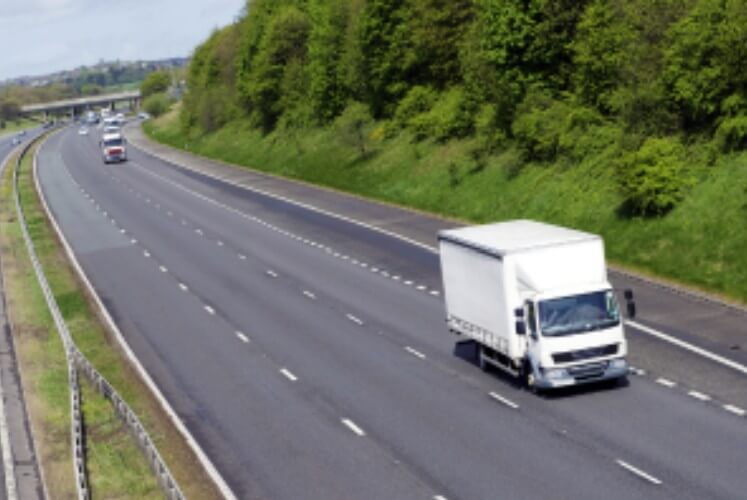
Waste collection and transportation vehicles are often fitted with specialist lifting, loading or compaction equipment.
A skip loader, hook loader, refuse collection vehicle or grab lorry may create several separate insurance considerations:
- Damage To the vehicle.
- Damage To attached equipment.
- Injury Or property damage caused during loading or unloading.
- Waste escaping from the vehicle.
- Damage To a skip or container.
- Pollution arising from the load.
- Tools And equipment carried in the vehicle.
- Business interruption if the vehicle cannot be used.
A motor policy may deal with the road traffic element of an incident without covering every loss connected to the waste, lifting equipment or interrupted operation.
The business description, vehicle use, driver information, waste carried, operating area and overnight parking arrangements should all be accurate.
West Craven Insurance can arrange motor cover for waste and recycling vehicles and fleets alongside other relevant business protection.
Machinery Damage and Machinery Breakdown Are Different
Waste processing businesses can depend on machinery that is expensive and difficult to replace.
Plant may include:
- Balers.
- Compactors.
- Conveyors.
- Shredders.
- Trommels.
- Sorting Equipment.
- Forklift Trucks.
- Loading Shovels.
- Excavators.
- Weighbridges.
Property insurance may cover machinery when it is damaged by an insured event such as fire, flood or theft. It does not necessarily cover an internal electrical or mechanical failure.
Separate machinery breakdown or engineering cover may therefore be needed.
A suitable review should establish:
| Question | Why It Matters |
|---|---|
| Is The machine insured for replacement value? | The original purchase price may not cover current replacement and installation costs. |
| Is Internal breakdown included? | Material damage insurance may only respond to specified external events. |
| Are Hired-in machines covered? | Equipment hired from another company may create a contractual liability. |
| Are Removal and installation costs included? | Specialist lifting, transport and commissioning can add considerably to the loss. |
| Is Lost income protected? | Repairing the machine does not recover revenue lost while it was unavailable. |
| Are Statutory inspections required? | Certain equipment may require formal examination or inspection. |
The policy should distinguish clearly between damage, breakdown, inspection and interruption cover.
Business Interruption Must Reflect a Realistic Recovery Period
Waste businesses frequently focus on the value of their property and machinery while underestimating the cost of being unable to trade.
After a major insured incident, the business may need to:
- Clear And make the site safe.
- Obtain Planning or regulatory approval.
- Repair Or rebuild premises.
- Replace Specialist machinery.
- Arrange Alternative processing capacity.
- Divert Waste to another facility.
- Hire Vehicles or equipment.
- Reassure Customers and retain contracts.
Business interruption insurance normally depends on physical damage or another defined trigger covered by the policy. It will not respond to every cause of lost revenue.
The indemnity period also needs careful consideration. This is the maximum period during which the policy can support an insured interruption.
A 12-month period may be inadequate when specialist equipment has a long manufacturing lead time or when rebuilding and permitting work could delay reopening. The appropriate period should be based on a realistic worst-case recovery, not merely the cheapest available option.
Employers Liability Is Only One Part of Protecting the Workforce
Most UK businesses employing staff must hold employers’ liability insurance from an authorised insurer with at least £5 million of cover, although limited exemptions apply.
This can help meet compensation and legal costs where an employee suffers an injury or illness because of their work.
However, holding the policy does not replace the employer’s responsibility to manage workplace risks.
Waste businesses still need suitable controls for:
- Vehicle And pedestrian separation.
- Machinery guarding and isolation.
- Manual handling.
- Slips And trips.
- Noise And vibration.
- Dust And bioaerosols.
- Hazardous substances.
- Personal protective equipment.
- Staff Training and supervision.
Poorly guarded machinery and unsafe vehicle movements continue to be associated with serious incidents in the waste and recycling sector.
Insurers may ask for risk assessments, training records, maintenance procedures and details of previous incidents before offering terms.
Policy Conditions Matter as Much as the Cover List
A policy schedule may list buildings, machinery, liability and business interruption, but that does not tell the whole story.
The wording may also contain conditions relating to:
- Waste Storage quantities.
- Material Segregation.
- Fire Alarms and suppression systems.
- Vehicle Security.
- Machinery Maintenance.
- Hot-work Permits.
- Site Inspections.
- Overnight Storage.
- Driver Checks.
- Claims Notification.
These conditions should be practical, understood and followed.
A policy that includes the correct headline covers can still create problems when the business is unable to comply with an important condition. Specialist advice can help identify requirements that would be difficult or unrealistic for the operation.
Specialist Cover Should Change as the Business Changes
Waste businesses do not remain static.
They may add vehicles, accept new materials, acquire machinery, increase storage capacity, take on employees, open another site or begin working under larger contracts.
Each change can affect the insurance.
A review should take place when the business:
- Introduces A new waste stream.
- Starts Handling hazardous materials.
- Purchases Or hires major machinery.
- Adds Vehicles or drivers.
- Moves To a new site.
- Increases The quantity of waste stored.
- Takes On a major customer contract.
- Begins Working in a new territory.
- Uses New subcontractors.
- Changes Its fire or security arrangements.
Waiting until the annual renewal may leave the insurer working with outdated information.
What a Specialist Waste Insurance Review Should Cover
A proper insurance review should examine how the different parts of the operation connect.
This may include:
- Combined Public, products and employers’ liability.
- Buildings, Contents and material damage.
- Plant, Machinery and specialist equipment.
- Machinery Breakdown and engineering inspection.
- Waste Collection vehicles and motor fleets.
- Goods In transit where appropriate.
- Environmental Liability and pollution.
- Business Interruption.
- Portable Equipment used away from the site.
- Professional Indemnity for advice or consultancy.
- Directors’ And officers’ or management liability.
- Legal Expenses and cyber cover.
Not every waste business will require every section. The purpose of specialist advice is to identify the covers that are relevant, remove unsuitable assumptions and make the policy fit the operation.
West Craven Insurance offers tailored waste and recycling insurance that can include liability, buildings, material damage, business interruption, plant and machinery, environmental liability, goods in transit and motor fleet cover.
Why the Cheapest Policy Can Become the Most Expensive
Price will always matter, but the lowest premium does not necessarily represent the best value.
A cheaper policy may contain:
- A Narrower business description.
- Lower Machinery or interruption limits.
- Larger Excesses.
- Restrictive Pollution exclusions.
- Unworkable Fire conditions.
- Shorter Indemnity periods.
- Exclusions For particular waste streams.
- Limited Cover away from the premises.
The difference may only become visible after an incident.
A specialist broker can compare more than the premium. The comparison should include wording, limits, excesses, conditions, exclusions and the insurer’s understanding of the risk.
Arrange Insurance Around the Way Your Waste Business Operates
Waste and recycling businesses need insurance that reflects their materials, machinery, vehicles, employees, sites and environmental exposures.
Generic assumptions can leave gaps between what the business believes is insured and what the policy actually covers.
West Craven Insurance has more than 30 years of commercial insurance experience and provides tailored insurance for waste management companies, transfer stations, recycling facilities, skip hire operators, scrap metal merchants, specialist waste handlers and other businesses across the sector.
To review your existing arrangements or request a waste and recycling insurance quotation, contact West Craven Insurance on 01756 802 100.