
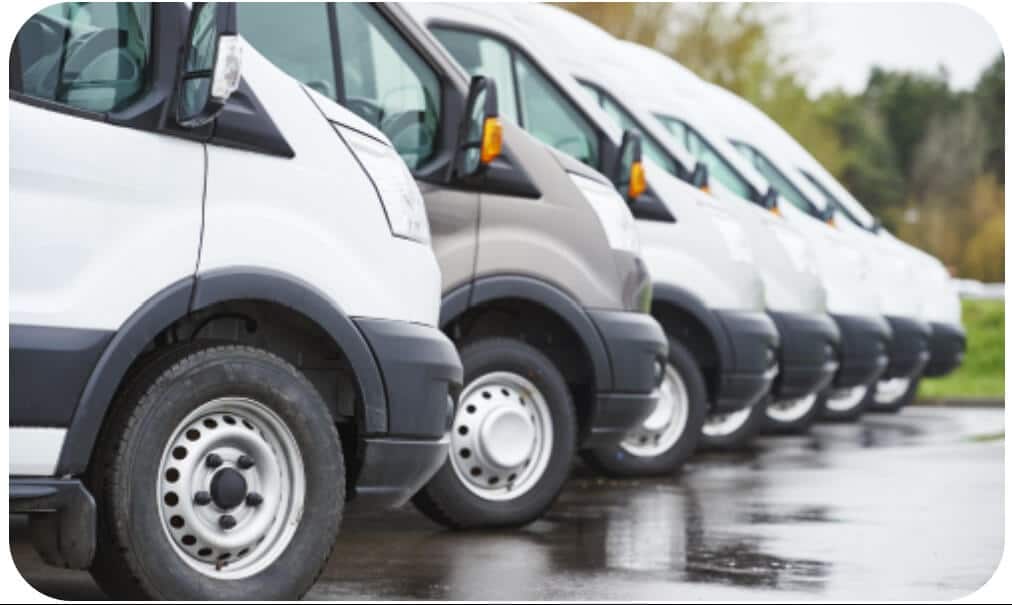
Vehicle breakdowns, accidents and unexpected repairs are inconvenient for any driver, but for a business that depends on vehicles every day, the consequences can be considerably more serious.
If a van, company car, taxi or other commercial vehicle is taken off the road, jobs may be delayed, appointments can be missed and employees may be unable to reach customers. Prolonged vehicle downtime can affect revenue and potentially damage relationships with clients who depend on your business delivering its services on time.
For businesses operating more than one vehicle, arranging the right insurance is therefore about more than meeting a legal requirement. It is also about protecting an important part of the company’s day-to-day operation.
What Is Fleet Insurance?
Insuring several business vehicles separately can quickly become complicated. Each vehicle may have its own policy documents, renewal date, driver restrictions and administration, making the insurance increasingly difficult to manage as the business grows.
Fleet insurance provides an alternative by allowing multiple vehicles to be insured under a single policy.
This can make managing your commercial vehicle insurance considerably simpler, with one policy and a common renewal date rather than numerous individual arrangements.
A suitable fleet policy can provide several practical advantages:
- Multiple vehicles insured under one policy
- One main renewal date to manage
- Greater flexibility when adding or replacing vehicles
- Driver options tailored to the needs of the business
- Cover that can reflect different types of commercial vehicle use
- Reduced administration compared with managing numerous individual policies
The cost will depend on the vehicles, drivers, business activities, claims experience and level of cover required, so it is important to compare policies on more than price alone.
Who Can Benefit From Fleet Insurance?
Fleet insurance is not restricted to large organisations operating dozens or hundreds of vehicles.
Small businesses and SMEs with two or more vehicles may also be able to arrange a fleet insurance policy, depending on the insurer and the nature of the risk.
A fleet can potentially contain a variety of vehicles, including:
- Company cars
- Commercial vans
- Motorcycles
- Taxis and private hire vehicles
- Minibuses
- HGVs and commercial lorries
The important consideration is not simply how many vehicles the business owns. The insurer also needs to understand how those vehicles are used, who drives them and the type of work the company carries out.
Managing Drivers Under a Fleet Policy
One of the advantages of fleet insurance is the potential flexibility surrounding drivers.
Rather than arranging an individual policy for every employee and vehicle combination, businesses may be able to select an appropriate driver arrangement based on their workforce.
Depending on the insurer, this could involve named drivers or wider driving permissions subject to conditions such as minimum ages and driving experience.
Age restrictions can sometimes influence the premium because younger or less experienced drivers may present a different risk to insurers.
Businesses should describe their workforce accurately when requesting a quotation, particularly if vehicles may be driven by temporary staff, new employees or people with specialist driving requirements.
Different Levels of Fleet Insurance Cover
As with many forms of motor insurance, fleet policies can generally be arranged with different levels of protection.
These may include:
- Comprehensive Cover – Provides the widest of the three main levels of motor protection, subject to the policy terms and exclusions.
- Third Party, Fire And Theft – Includes third-party protection alongside cover for certain fire and theft losses.
- Third Party Only – Provides the minimum level of motor insurance required for eligible third-party liabilities.
Choosing purely on price can leave a business with insurance that does not reflect the value of its vehicles or the financial consequences of an accident.
A company operating expensive vans fitted with specialist equipment, for example, may view vehicle damage very differently from a business operating older, lower-value vehicles.
The appropriate level of cover should therefore be considered alongside the value of the fleet, how essential the vehicles are to the business and the potential cost of replacing or repairing them.
Make Sure the Policy Reflects How Your Vehicles Are Used
Another important consideration is vehicle usage.
Not every commercial vehicle carries out the same type of work, and an insurer needs to understand what each vehicle is actually being used for.
For example, a tradesman carrying tools and materials for their own work may require cover appropriate for carriage of own goods.
A taxi or private hire business, meanwhile, requires insurance designed for carrying passengers for hire or reward.
Other businesses may operate delivery vans, company cars used by sales teams, HGVs or vehicles carrying specialist machinery and equipment.
Giving the insurer an accurate description of vehicle use is important because inappropriate usage can result in the cover failing to match the activities being undertaken.
What Information Can Affect the Cost of Fleet Insurance?
There is no single standard price for fleet insurance. Insurers assess the individual characteristics of the business and its vehicles before determining the terms available.
Factors can include:
- The number and type of vehicles in the fleet
- The value and age of the vehicles
- Driver ages and experience
- Previous claims history
- The nature of the business
- How the vehicles are used
- Annual mileage
- Where vehicles are stored overnight
- The geographical area in which they operate
- The level of insurance cover selected
Keeping accurate records and providing complete information can make it easier for an insurance broker to identify appropriate options.
Review Your Fleet as Your Business Changes
A fleet insurance policy should not simply be arranged and forgotten about.
Businesses change. New employees join, older vehicles are replaced, additional vans are purchased and companies can begin offering services in new areas.
These changes can affect the insurance risk.
Fleet operators should therefore keep their insurer or broker informed about significant changes such as:
- Adding or removing vehicles
- Employing additional drivers
- Changing the way vehicles are used
- Expanding into different types of work
- Moving the business or changing where vehicles are kept
Regularly reviewing the policy also gives businesses an opportunity to check whether the current cover still reflects the size and activities of the fleet.
Why Use an Insurance Broker for Fleet Cover?
Commercial vehicle fleets can become complicated, particularly when a business operates different types of vehicle or employs drivers with varying levels of experience.
Speaking directly with an experienced insurance broker can help you explain how your fleet operates and identify cover that better reflects your business requirements.
Rather than choosing a policy solely because it has the lowest headline premium, consider the overall protection, policy conditions, excesses, driver restrictions and vehicle usage requirements.
The cheapest fleet insurance is not necessarily the most suitable if important aspects of your business are excluded.
Contact us today for more information. Our team will take the time to understand your business, the vehicles you operate and how they are used before helping you identify appropriate insurance options.
If your company operates two or more vehicles and you would like to discuss fleet insurance, speak to West Craven Insurance about cover tailored around your commercial requirements.