
Working for yourself gives you freedom, but it also shifts more risk onto you. When you are self-employed, there is no large employer behind you if a claim lands, a client complains, your tools disappear, or an injury stops you from working. That does not mean you need every policy on the market. It does mean you should look at insurance as part of protecting your income, your reputation, and your ability to keep trading.
The honest answer is that most self-employed people will need some kind of insurance, but not all for the same reasons. Some cover is linked to legal rules. Some is driven by the type of work you do. Some is not compulsory, but clients, agencies, or contracts may still expect it before they will hire you.
What matters most is not whether you call yourself a freelancer, sole trader, consultant, contractor, or small business owner. What matters is how you work, who relies on you, what could go wrong, and what the financial impact would be if it did.
Why insurance matters more when you work for yourself
When you are self-employed, the line between business risk and personal pressure is much thinner. If somebody claims your work caused damage, if a client says your advice cost them money, or if a theft leaves you unable to trade, the effect can be immediate. That is one of the main reasons insurance matters so much at this level. It is not just about complying with a rule. It is about avoiding a setback that could seriously affect your finances.
A lot of people assume insurance is mainly for bigger firms with offices, teams, and large contracts. In reality, one-person businesses often carry just as much exposure, only in a different form. You may visit customers, carry expensive equipment, use a vehicle for work, store business kit at home, or give advice that a client depends on. Each of those creates its own insurance question.
A useful way to think about it is this: if one problem could stop you earning, cost you money, or trigger a legal dispute, there is a good chance insurance needs to be part of the conversation.
Is self-employed insurance a legal requirement?
Not always. Being self-employed does not automatically mean you are legally required to buy public liability, professional indemnity, or a package policy. The legal position depends on what you do and whether other people work for you.
The clearest example is employers’ liability insurance. If you employ staff, even in a small operation, this is usually a legal requirement in the UK. That is one of the biggest dividing lines between a true one-person business and one that has started taking on help.
There is also a separate issue around vehicles. If you use your car or van for work, your motor insurance needs to reflect that. A private-use policy may not be enough if the vehicle is being used for business activity.
Beyond that, much of self-employed insurance is shaped by risk and contracts rather than strict legal obligation. You may not be forced by law to hold certain cover, but you may still need it to protect yourself properly or to satisfy client requirements.
The types of cover most self-employed people should look at
The right mix depends on your work, but the most common areas to review are:
- Public Liability Insurance
- Professional Indemnity Insurance
- Employers’ Liability Insurance
- Tools And Equipment Cover
- Business Vehicle Insurance
- Personal Accident Or Income-Related Protection
You may not need every item on that list. A self-employed electrician, marketing consultant, and photographer could all need completely different combinations. The key is to match the cover to the way you actually work, rather than choosing a policy because it sounds familiar.
Public liability insurance
Public liability insurance is one of the most common covers for self-employed people because it deals with a very practical risk. If a member of the public or a client is injured because of your work, or their property is damaged, this is the kind of policy designed to respond. It can also help with legal defence costs and compensation, depending on the claim and the policy terms.
This matters most if you visit client premises, welcome people into your workspace, carry out physical work, install products, or operate in places where accidents could happen. A loose cable, a spill, a dropped tool, or accidental damage during a job can turn into an expensive problem much faster than most sole traders expect.
Public liability is not usually compulsory by law, but it is often one of the first covers worth considering because the cost of a claim can be far higher than the cost of the policy. It is also a common contract requirement, especially if you work with larger clients or public-sector organisations.
Professional indemnity insurance
If your clients rely on your advice, plans, designs, recommendations, calculations, or specialist judgement, professional indemnity insurance can be just as important as public liability. This cover is designed for claims where a client says your work caused them financial loss.
That makes it especially relevant if you work in consultancy, design, marketing, IT, accountancy, engineering, coaching, or any service where the value of what you sell sits largely in your expertise. The dispute may not involve physical injury or damaged property. It may come down to an alleged mistake, omission, or failure in the professional service you provided.
A lot of self-employed people overlook this because they think insurance mainly applies to hands-on trades. In reality, advice-led businesses can face very serious claims too, particularly where contracts, deadlines, performance, or financial outcomes are involved.
Employers’ liability insurance
If you genuinely work alone, employers’ liability may not apply to you. But the moment you take on staff, even in a small or casual way, you need to treat this seriously. In the UK, employers’ liability insurance is usually a legal requirement where employees are involved.
This cover protects you if an employee claims they were injured or became ill because of the work they did for your business. That could involve a sudden accident, but it could also involve a problem that develops over time through strain, exposure, or repetitive activity.
For many self-employed people, this becomes the point where insurance stops being a nice-to-have and becomes a hard requirement. If you are growing and starting to get help, this is one of the first areas to review properly.
Tools, kit, and business equipment
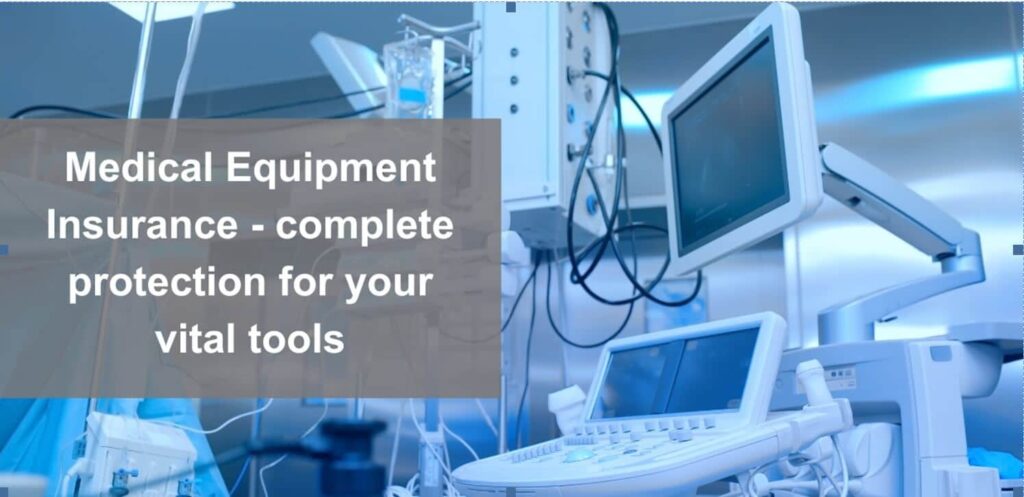
One of the most overlooked risks in self-employment is losing the very equipment that lets you work. That could mean tools, cameras, stock, testing gear, a laptop, a phone, or specialist kit you use every day. If it is stolen, damaged, or goes missing, the problem is not just the replacement cost. It can stop work immediately.
This is especially important if you carry equipment between jobs, keep it in a vehicle, or store it at home. Home insurance may not always deal with business property in the way you expect, particularly when the items are central to earning an income.
For some self-employed people, this kind of cover is what keeps a short-term disruption from becoming a major loss of income. That makes it more important than it first appears.
Vehicle insurance for business use
If your car or van is part of how you earn, vehicle insurance needs closer attention than many self-employed people give it. Travelling to appointments, moving between jobs, carrying tools, delivering goods, or using a van as part of daily work can all change the type of motor cover you need.
This can become a major gap if you assume a standard private policy covers everything. If your vehicle use does not match the policy, you may not have the protection you think you have when something goes wrong.
If your work depends on getting to clients or carrying equipment, this is not a minor detail. It is one of the foundations of keeping your business moving.
Personal accident and protecting your income
When you are employed, there is often some kind of buffer if illness or injury gets in the way. When you are self-employed, that buffer is usually much smaller. That is why personal accident cover comes up so often in self-employed insurance discussions.
This type of cover is designed to help if an accident leaves you unable to work. For many self-employed people, the biggest risk is not damage to someone else’s property. It is the simple fact that if you stop working, the income can stop too.
That is particularly relevant if you rely on your own labour, travel to jobs, work with physical equipment, or have limited savings to absorb lost earnings. Even a short period away from work can put pressure on bills, overheads, and household finances.
How to work out what you need
The best way to choose insurance is to start with your real exposure, not with a random list of policy names. Ask yourself:
- Could A Client Claim If I Damage Property Or Cause An Injury?
- Could Someone Say My Advice Or Work Caused Financial Loss?
- Would Losing My Tools, Laptop, Or Van Stop Me Trading?
- Would An Injury Leave Me Without Income?
- Do Clients Or Contracts Already Expect Certain Cover?
- Do I Employ Anyone, Even Casually?
Those questions usually tell you far more than searching for the cheapest policy. The lowest premium is not always the best option if the cover is too narrow, the limits are too low, or the wording does not match how you actually work. Kingsbridge specifically notes that the cheapest self-employed insurance may not give you the coverage you need.
Final thoughts
So, do you need insurance if you are self-employed? In most cases, yes, but not because every self-employed person needs the same package. You need the right protection for the real risks attached to your work. That may mean public liability, professional indemnity, employers’ liability, tools cover, vehicle cover, personal accident protection, or a combination of several.
The small-business mindset can sometimes make insurance feel optional, especially when you are trying to keep costs down. But when you work for yourself, one claim, one dispute, one theft, or one injury can hit much harder because the business depends so directly on you.
The better way to look at insurance is not as a box to tick. It is part of how you protect your income, your clients, your equipment, and your ability to keep going when something unexpected happens.