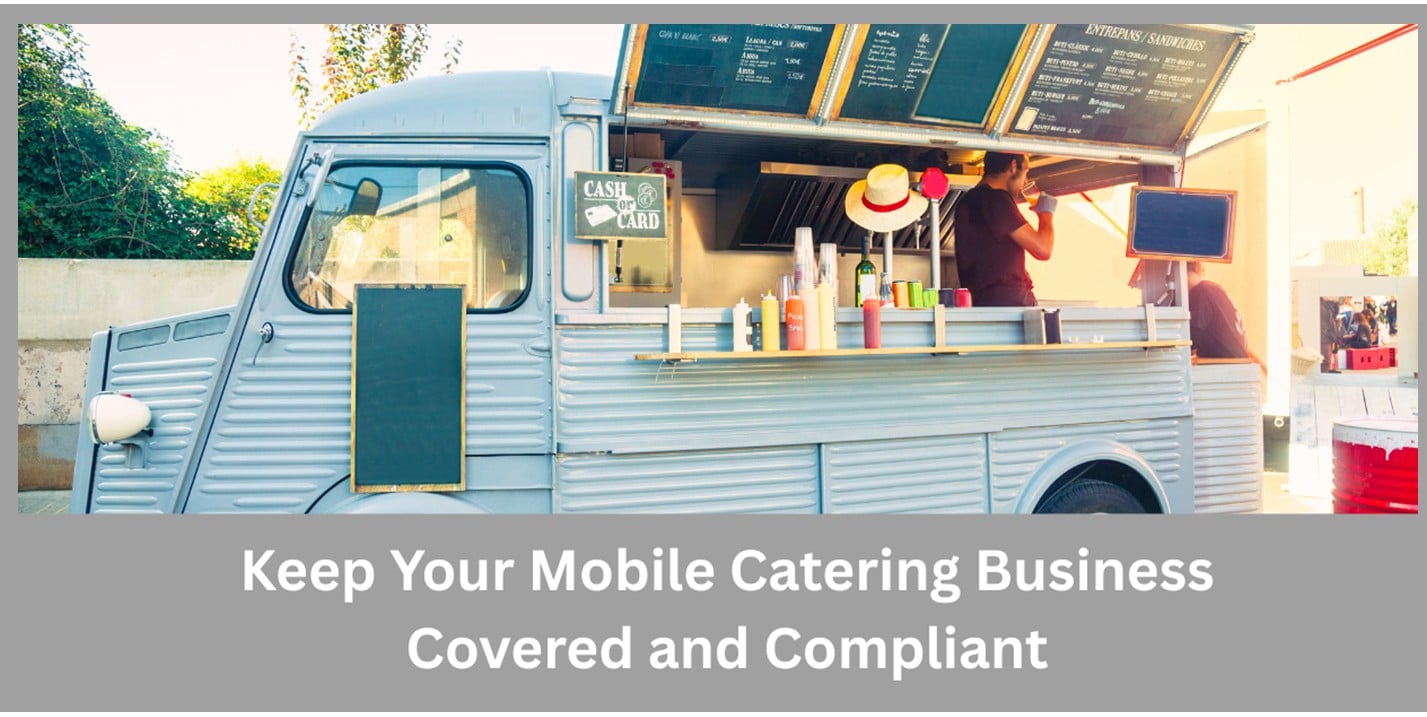
Running a mobile catering business can be exciting, flexible and rewarding. Whether you serve gourmet burgers at festivals, artisan coffee at business parks, wood-fired pizzas at weddings, ice cream at summer events or traditional fish and chips from a converted van, your vehicle is much more than transport.
For many mobile caterers, the vehicle is the kitchen, stock room, sales counter, storage unit and main income source all in one. If it is damaged, stolen or taken off the road, the effect on your business can be immediate. Missed events, lost bookings, wasted stock and repair bills can quickly create pressure, especially during busy trading periods.
That is why having the right mobile catering vehicle insurance in place is so important. A standard commercial vehicle policy may cover the vehicle as transport, but it is unlikely to reflect the full range of risks involved in preparing, cooking and serving food to the public from a mobile unit.
Why Standard Vehicle Insurance Often Is Not Enough
Many mobile catering businesses start with the vehicle itself. A van, trailer or truck is bought, converted and fitted out with everything needed to trade. By the time the work is complete, the vehicle may contain thousands of pounds worth of specialist equipment.
Standard vehicle insurance is generally designed for driving and everyday commercial use. It is not usually built around cooking equipment, generators, refrigeration units, gas systems, serving hatches, fitted counters, stock, ingredients or trading at public events. This can create a serious gap between what the business actually needs and what the policy provides.
A mobile catering vehicle also creates risks while it is parked and trading. Customers may be queuing nearby, hot food and drinks may be served through a hatch, staff may be moving around a confined space and equipment may be running for long periods. These risks are very different from an ordinary van used for deliveries or commuting between jobs.
Specialist mobile catering vehicle insurance is designed to reflect how your business operates. It can bring together cover for the vehicle, fitted equipment, public liability, stock, business interruption and other areas that matter to food truck and catering trailer operators.
What Mobile Catering Vehicle Insurance Can Cover
The right policy will depend on your business, the type of vehicle you use and where you trade. A coffee van working at office parks will not have the same risk profile as a burger van attending festivals, a mobile pizza trailer serving private events or an ice cream van operating seasonally.
However, there are several key areas most mobile catering businesses should consider when arranging cover.
Vehicle Cover
Your van, truck or trailer is the foundation of the business. If it is damaged in an accident, stolen, vandalised or affected by fire, you may not be able to trade. Specialist vehicle cover helps protect the asset that keeps your catering business moving.
This may include protection while the vehicle is on the road, parked overnight, stored between events or set up at a trading location. It is important that the policy reflects the true value of the vehicle, including any professional conversion work and fitted catering equipment.
Fitted Equipment Cover
Mobile catering vehicles often contain expensive fitted equipment. This can include grills, fryers, ovens, coffee machines, extraction units, refrigeration systems, sinks, counters, water systems, electrical fittings and gas installations.
If this equipment is damaged or stolen, replacing it can be costly. There may also be a delay while specialist repairs or refitting work is carried out. Equipment cover helps reduce the financial impact of these events and can help your business return to trading more quickly.
Public Liability Insurance
Serving food and drink to members of the public brings exposure to potential claims. A customer could slip near your vehicle, trip over a cable, suffer a burn from hot food or claim that your business caused damage to their property.
Public Liability Insurance can help cover legal costs and compensation claims if someone is injured or their property is damaged as a result of your business activities. Many councils, event organisers, markets, festivals and private venues will also require proof of public liability cover before allowing you to trade.
Product Liability Insurance
Food businesses also need to think about the products they sell. If a customer alleges that food or drink supplied by your business caused illness, injury or an allergic reaction, the claim can be stressful and expensive to deal with.
Product Liability Insurance can help protect your business if a claim is made relating to the food or drink you provide. This is particularly important for businesses serving large numbers of people, working at events or handling ingredients with known allergen risks.
Stock Cover
Stock can represent a significant cost for mobile caterers, especially before large events or busy weekends. Fresh ingredients, frozen food, drinks, packaging and disposable items can all add up.
Stock cover can help protect against losses caused by events such as theft, fire, accidental damage or equipment failure. For example, if a refrigeration unit breaks down and stock spoils, the financial loss could be substantial without the right protection.
Business Interruption Insurance
If your catering vehicle is damaged or your equipment is unusable, the problem is not limited to the cost of repairs. You may also lose income while the business is unable to trade.
Business Interruption Insurance can help cover lost revenue following an insured event. This can be especially valuable if you rely on seasonal trade, regular pitches, festivals or pre-booked private events where a short period of downtime can mean a large loss of income.
Employers’ Liability Insurance
If you employ anyone, even on a part-time, temporary or casual basis, Employers’ Liability Insurance is usually a legal requirement. This includes staff helping at events, family members employed by the business or workers assisting during busy periods.
Mobile catering can involve hot surfaces, sharp tools, confined spaces, lifting, cleaning chemicals and long shifts. Employers’ Liability Insurance helps protect your business if an employee is injured or becomes ill as a result of their work.
Why Event and Festival Trading Increases Risk
Many mobile catering businesses rely on events, festivals, markets, fairs, sporting fixtures, weddings and outdoor venues. These environments can be profitable, but they also introduce additional risks.
Trading locations may be unfamiliar. Ground conditions can vary. Access may be tight. Large crowds may gather around the vehicle. Temporary power supplies may be used. Weather conditions may change quickly. All of these factors can increase the chance of accidents, damage or disruption.
Event organisers may also set specific insurance requirements. They may ask for a certain level of public liability cover, product liability protection, documentation relating to gas safety or evidence that your business is properly insured to trade on site.
Having suitable cover arranged before booking events can help prevent last-minute problems. It also gives organisers, venues and customers more confidence that your business is professional and properly protected.
The Risk of Underinsurance
Underinsurance is a common issue for growing businesses. A catering van may start with basic equipment, but over time the owner may add better appliances, upgrade the generator, increase stock levels, improve the serving area or invest in a more valuable conversion.
If the insurance policy is not updated, the declared values may no longer reflect the true replacement cost. This can cause problems if a claim is made, as the settlement may not be enough to fully repair or replace what has been lost.
It is important to review cover regularly, especially after buying new equipment, changing the vehicle layout, attending larger events, employing staff or increasing turnover. The more your business develops, the more important it becomes to make sure your insurance keeps pace.
Different Types of Mobile Catering Businesses Need Different Cover
No two catering businesses are exactly alike. A small coffee van serving local office parks may have different needs to a catering trailer attending major festivals. An ice cream van operating seasonally will not face the same risks as a mobile fish and chip van trading late into the evening.
The right policy should take account of the vehicle type, the equipment installed, whether gas is used, how food is prepared, where the business trades, how often the vehicle is used and whether staff are employed.
A tailored approach is important because a generic policy may miss key details. For example, cover may need to include overnight storage, tools, stock deterioration, business interruption, public liability, product liability or multiple vehicles depending on how the business operates.
Protecting Your Income, Not Just Your Vehicle
It is easy to think about insurance only in terms of repairing or replacing the vehicle. For mobile caterers, the bigger issue can often be the loss of income that follows.
If the vehicle cannot be used, bookings may be cancelled. Event pitches may be lost. Customers may go elsewhere. Stock may be wasted. Staff may still need paying. Finance payments, rent, storage costs and other overheads may continue even while the business is not trading.
This is why a wider insurance package can be so important. Protecting the vehicle matters, but protecting the business behind the vehicle matters just as much.
Why Specialist Advice Helps
Mobile catering insurance is not always straightforward. The policy needs to reflect both the vehicle and the business activity. It also needs to take account of the way you trade, the public-facing nature of the work and the equipment used to prepare food safely.
An experienced insurance adviser can help identify the cover your business needs and explain where gaps may exist. This can be especially useful if you are moving from standard van insurance, starting a new catering business or expanding into larger events.
At West Craven Insurance, the focus is on understanding how your business operates before recommending cover. That means looking at your vehicle, equipment, trading locations, staff, stock and liability risks rather than treating every catering business the same.
Choosing Cover That Fits Your Business
When arranging mobile catering insurance, it is worth thinking carefully about the practical details of your work. Where is the vehicle stored overnight? What equipment is permanently fitted? Do you use gas, electricity or generators? Do you employ anyone? Do you attend festivals, markets or private events? How much stock do you carry before busy trading periods?
These details help shape the policy. They also help avoid gaps that may only become obvious after something has gone wrong.
For a more detailed breakdown of the types of protection available, read West Craven Insurance’s guide to what insurance you need for a mobile catering van.
Keeping Your Business Moving
A mobile catering vehicle is often the result of significant investment. The cost of the vehicle, conversion, equipment, branding, stock and event bookings can be substantial. For many operators, it also represents years of hard work and the main route to earning a living.
Specialist insurance helps protect that investment. It provides support when accidents, theft, damage, liability claims or trading interruptions threaten the business.
Good cover should not just tick a box for event organisers. It should give you confidence that if something unexpected happens, your business has a better chance of recovering quickly.
FAQs
Do I need specialist insurance for a mobile catering van?
In many cases, yes. A mobile catering van is not used in the same way as a standard commercial vehicle. It may contain cooking equipment, refrigeration units, generators, stock and serving areas, all of which can create additional risks.
Specialist mobile catering vehicle insurance can help protect the vehicle, fitted equipment, stock and liabilities linked to serving food and drink to the public.
Will standard van insurance cover my catering equipment?
Standard van insurance may not provide adequate cover for catering equipment, especially if the vehicle has been converted or fitted with specialist appliances. The policy may only cover the vehicle itself rather than the full business setup.
It is important to check whether fitted equipment, loose equipment, stock and modifications are included, as replacing these items can be expensive.
Do I need Public Liability Insurance to trade at events?
Most event organisers, councils, markets and private venues will expect mobile caterers to have Public Liability Insurance before they are allowed to trade. The required level of cover can vary depending on the organiser and type of event.
This cover helps protect your business if a member of the public is injured or their property is damaged because of your business activities.
What is Product Liability Insurance for mobile caterers?
Product Liability Insurance helps protect your business if a customer claims that food or drink supplied by you caused illness, injury or another problem. This can include allegations linked to food poisoning, contamination or allergens.
Even when a business follows good food safety procedures, claims can still be costly to defend. Product Liability Insurance can provide important financial protection.
Can mobile catering insurance cover festivals and markets?
Yes, many specialist policies can include cover for festivals, markets, fairs, shows and private events. It is important to make sure your insurer understands where you trade and how often you attend these locations.
Some events may have specific insurance requirements, so cover should be checked before confirming your pitch or booking.
Does mobile catering insurance cover stock?
Stock cover can often be included, protecting ingredients, drinks, packaging and other goods against certain insured events. This can be particularly useful before large events when stock levels are higher than usual.
You should make sure the insured value reflects your busiest trading periods, not just an average week, otherwise you may not have enough protection when you need it most.
What happens if my catering van is damaged and I cannot trade?
If your vehicle is damaged, you may face repair costs as well as lost income from cancelled bookings or missed trading days. This can be especially serious during peak seasons or festival periods.
Business Interruption Insurance can help protect lost income following an insured event, giving your business more support while it gets back on the road.
How often should I review my mobile catering insurance?
You should review your insurance at least once a year and whenever your business changes. New equipment, higher stock levels, additional staff, larger events or a new vehicle can all affect your insurance needs.
Regular reviews help make sure your policy reflects the current value and risk profile of your business rather than how it looked when the cover was first arranged.
Protect Your Mobile Catering Business
Your mobile catering vehicle is much more than a way to travel between locations. It is the centre of your business, the place where you prepare and serve customers, and often the asset that allows you to earn an income.
With the right mobile catering vehicle insurance in place, you can protect your vehicle, equipment, stock, staff, customers and income from a wide range of risks.
To discuss cover for your mobile catering business, call 01756 802100 or email West Craven Insurance for independent advice and competitive quotations.