
You are busy enough keeping people safe. The last thing you need is to find out, halfway through a complaint, claim, or professional issue, that the cover you thought you had does not actually fit the work you do.
That is why paramedic insurance matters.
The tricky part is that “paramedic insurance” is not usually one single product. In practice, people use the phrase to mean a mix of protections, most commonly professional indemnity or medical malpractice cover, public liability cover, and sometimes legal support for professional hearings or investigations.
So the real question is not, “Do paramedics need insurance?” The real question is, “What cover do you need for the work you actually do?”
What paramedic insurance usually means
When people talk about paramedic insurance, they are usually talking about cover that protects you if your professional work leads to a claim, complaint, or legal problem.
Depending on your role, that may include professional indemnity or medical malpractice cover. This is the type of protection that relates to your clinical decisions, treatment, and professional judgement.
You may also need public liability cover. That is different. Professional indemnity is about the professional service you provide. Public liability is about injury to a third party or damage to their property in connection with your activities.
Some paramedics also look for legal support for professional investigations or hearings. That is not the same as malpractice insurance, but it can matter just as much in real life.
Why this matters
If you are a practising paramedic, you need appropriate cover for the work you do. That is the key point.
A lot of people treat insurance like admin. Something to sort once, file away, and forget about. But insurance only feels simple when nothing has gone wrong. The moment there is a complaint, claim, or question over your actions, the details suddenly matter.
That is why your cover needs to match your real working life, not just your job title.
Does your employer already cover you?
Sometimes, yes. If you work for an employer, there is a good chance you already have some level of cover for the work you do as part of that role. That is often the case for paramedics working in employed positions.
But that does not automatically mean you are covered for everything else.
That is the part many people miss. Employer cover may protect you for work done within the scope of that employment. It may not extend to work you do outside it.
So if you take on extra shifts in a different setting, do private work, support events, teach, train, or work in a freelance capacity, you need to check whether your existing cover still applies.
When you may need your own cover
This is where the gaps usually show up.
You may need your own insurance or a separate arrangement if you do work outside your main employed role, such as:
- Private event work
- Freelance or self-employed shifts
- Voluntary work not covered elsewhere
- Teaching, training, or consultancy
- Mixed employed and self-employed practice
The point is simple. Your cover needs to reflect the full picture of your work.
If your role has changed, or you have taken on work outside your usual job, do not assume the cover you already have follows you automatically.
What the main types of cover do
Here is the simplest way to separate them.
Professional indemnity or medical malpractice cover
This is the core protection linked to your clinical work. It is there to protect you if a patient claims they suffered harm because of something you did, failed to do, or advised as part of your professional practice.
Public liability cover
This covers claims involving injury to a third party or damage to their property. It is not about your clinical judgement. It is about incidents connected to your activities.
Legal support for professional issues
This can help if you face a formal complaint, investigation, or hearing related to your practice. It is separate from malpractice cover, but it can be just as important.
That distinction matters because a paramedic can be protected in one area and exposed in another.
What cover should paramedics think about?
The right cover depends on the kind of work you do, but there are a few areas that come up again and again.
- Vehicle-related risks: If you use specialist or emergency response vehicles as part of your work, you need to know exactly what is and is not covered.
- Medical equipment and kit: If you carry expensive or specialist items, you should check whether they are protected for loss, theft, or accidental damage.
- Transport risks: If you move medical supplies, treatment equipment, or other valuable items as part of your role, it is worth understanding whether they are covered during transit.
- Financial protection after a claim: Depending on the policy, additional features such as legal expenses or excess protection may also be relevant.
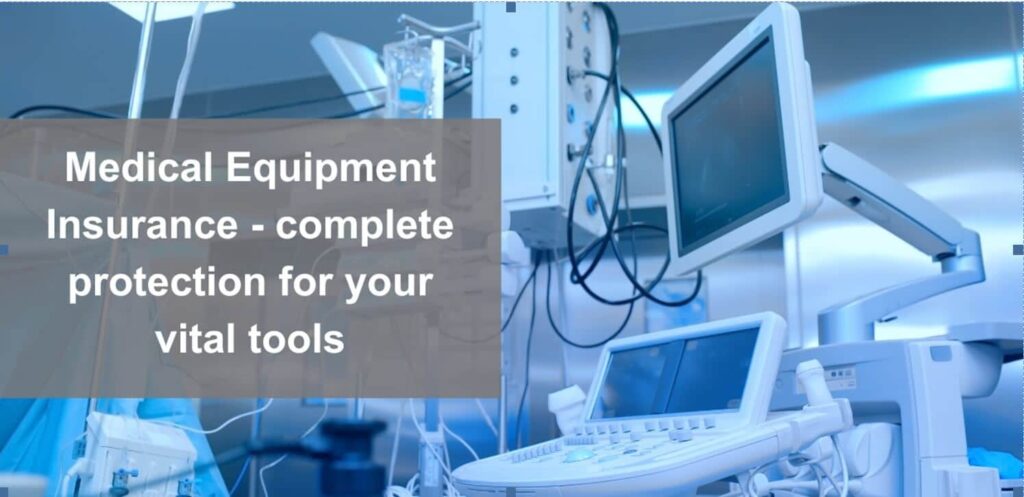
If your work relies on specialist kit, it is also worth understanding the wider value of medical equipment insurance, especially if replacing that equipment quickly would be difficult or expensive.
Common misunderstandings that catch people out
The first is assuming employer cover follows you everywhere. It may not.
The second is assuming that one policy or membership benefit covers every part of your professional life. It might cover some areas very well, but still leave gaps around private work, self-employed work, or extra duties.
The third is mixing up malpractice cover with legal support for professional issues. They are related, but they are not the same thing.
The fourth is assuming small amounts of side work do not matter. They do. Even occasional work can create risk if it falls outside your main cover.
The fifth is forgetting that your responsibilities can change faster than your insurance does. You might take on event work, extra teaching, or consultancy without realising that your cover needs to change with it.
How to work out what you need
Start with the work you actually do, not the label attached to your role.
Ask yourself:
- Are you only working as an employee, within one clear role?
- Do you do any private, freelance, or voluntary work?
- Do you teach, train, or consult?
- Do you work at events or in roles outside your main employer?
- Would your current cover still make sense if your work changed next month?
These questions matter because the right cover depends on your real exposure to risk.
If you only practise within one employed role, your employer’s arrangements may be enough. If you do anything beyond that, you should check carefully whether you need additional protection.
What to look for in a policy or cover arrangement
When reviewing your cover, pay attention to:
- What work is included
- What work is excluded
- Whether self-employed or freelance work is covered
- Whether private event work is covered
- Whether teaching or consultancy is included
- Whether public liability is separate or included
- Whether legal support is included
- Any earnings limits or activity limits
- Any geographical restrictions
- Any conditions that could affect a claim
This might sound overly cautious. It is not. It is the practical difference between feeling covered and actually being covered.
Why this matters even if you have never had a problem
A lot of paramedics think about insurance in terms of likelihood.
“I have never had a claim.”
“I only do a bit of extra work.”
“I am careful, so I should be fine.”
But insurance is not there because you expect something to go wrong every week. It is there because when something does go wrong, the financial and professional consequences can be serious.
One complaint, one misunderstanding, or one claim can create a lot of pressure very quickly. Good cover helps protect not just your finances, but your confidence and your ability to keep working.
Our Final Say
Paramedic insurance is really about making sure your professional risks are covered in a way that matches the work you do.
For some paramedics, employer cover may deal with their core role. But once you add private work, freelance shifts, voluntary roles, teaching, or other side work, you need to check whether that cover still fits.
The simplest way to think about it is this:
Your cover should follow your practice, not your assumptions.
Get in touch if you want to talk through the right cover for your work.