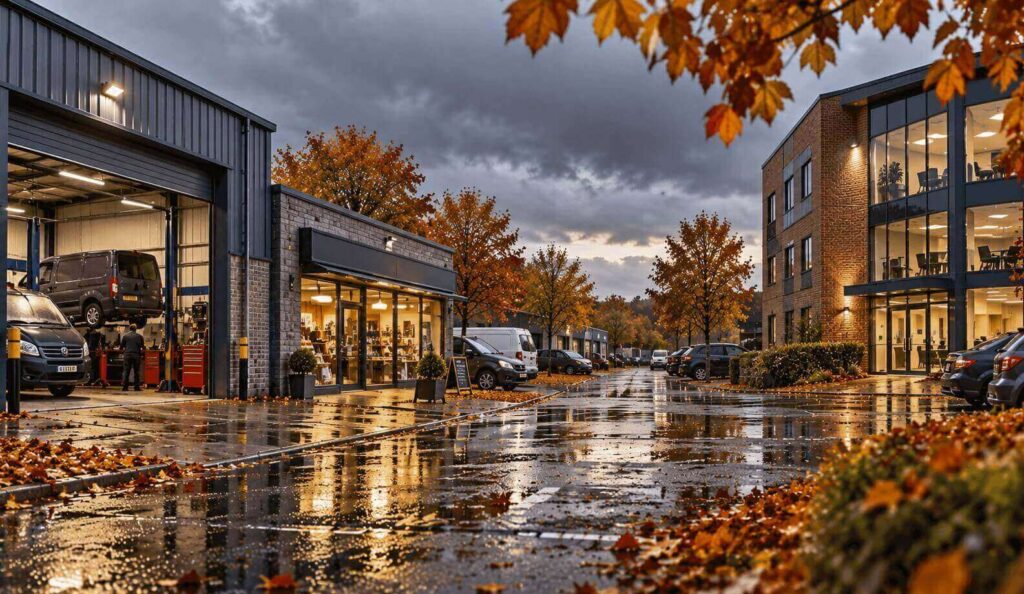

Working in the motor trade can expose a business to risks that are very different from those faced by many other industries. You may have customers’ vehicles in your care, cars awaiting sale on your premises, expensive tools and diagnostic equipment in a workshop, employees working around moving vehicles and members of the public regularly visiting your site.
An accident, theft, fire, injury or other unexpected incident could therefore affect several parts of the business at the same time.
At West Craven Insurance Services, we arrange insurance for businesses operating throughout the motor trade. Whether you work full-time or part-time, operate from home, run a garage or have larger commercial premises containing substantial vehicle stock, insurance can be arranged around the way your particular business works.
Suitable cover is about much more than simply insuring a car so that it can be driven on the road. A motor trade policy can bring together protection for vehicles, premises, employees, customers, tools, equipment and other risks under an arrangement designed for the industry.
Who Is Motor Trade Insurance For?
Motor Trade Insurance is intended for businesses and individuals earning money from activities involving vehicles.
The motor trade covers a surprisingly wide range of businesses. Depending on the insurer and the activities being carried out, suitable insurance may be available for:
- Used car dealers
- New and used vehicle retailers
- Vehicle repair garages
- Mobile mechanics
- MOT and servicing businesses
- Body repair and accident repair centres
- Vehicle valeters and detailers
- Tyre fitting businesses
- Vehicle restoration specialists
- Car collection and delivery businesses
- Breakdown and recovery operators
- Businesses buying and selling vans or commercial vehicles
- Motorcycle dealers and repairers
- Part-time motor traders
The insurance required by a vehicle dealer working from home can be very different from that needed by a large garage employing several mechanics and keeping dozens of vehicles on site.
This is why the insurer needs a clear understanding of what your business actually does.
What Can Motor Trade Insurance Cover?
Motor trade insurance can be arranged with different sections depending on the size and nature of the business.
Rather than purchasing unnecessary protection or overlooking an important exposure, the objective should be to build cover around the risks your operation genuinely faces.
This can include:
- Combined Motor Trade Road Risks And Premises Cover – Protection can be arranged for eligible motor trade road risks alongside buildings, contents and other risks associated with commercial premises.
- Employers’ Liability Insurance – Protection relating to eligible claims from employees who suffer injury or illness arising from their employment. Businesses employing people generally need Employers’ Liability insurance, subject to limited exemptions. GOV.UK states that qualifying employers must obtain at least £5 million of cover from an authorised insurer.
- Public Liability Insurance – Protection against eligible claims from third parties alleging that your business caused injury or damage to their property.
- Tools And Machinery – Cover can be considered for equipment that is important to the everyday operation of the garage or motor trade business.
- Fixtures And Fittings – Protection for eligible fixtures and fittings within commercial premises.
- Road Risks Only Cover – An option that may be appropriate for certain traders who require road risk protection without the wider premises sections of a combined policy.
- Stock Of Vehicles Insurance – Protection for vehicles forming part of your trading stock, whether you sell a small number of cars or operate a larger fleet or dealership.
- Business Interruption Insurance – Cover designed to protect against eligible financial losses following specified insured events that disrupt normal trading.
The exact protection available will depend on the insurer, policy wording and circumstances of the business.
Motor Trade Road Risks Insurance
Road risks insurance is one of the most recognisable parts of motor trade cover.
If your business requires you or authorised drivers to drive vehicles belonging to customers or vehicles owned as part of your trading stock, you need to make sure the motor insurance reflects those activities.
UK law requires motor insurance when vehicles are driven on roads and in public places, with third-party insurance being the minimum legal level of motor protection. Special continuous-insurance rules and exceptions can apply to vehicles held legitimately in trade, but vehicles retained for your own use are treated differently.
Motor trade road risks insurance may be relevant when:
- Collecting or delivering customer vehicles
- Driving vehicles to and from MOT appointments
- Road testing vehicles following repairs
- Moving vehicle stock
- Allowing eligible prospective customers to test drive a vehicle
- Driving vehicles purchased for resale
It is essential to provide accurate information about who will drive vehicles and how they will be used.
Driver ages, occupations, driving history, convictions and claims experience can all affect the insurer’s assessment of the risk.
Road Risks Only or Combined Motor Trade Insurance?
Not every motor trader requires the same policy structure.
A person buying and selling a limited number of cars without commercial premises may primarily be concerned with road risks. By contrast, a garage with employees, ramps, diagnostic equipment, customer vehicles and substantial premises may require much broader protection.
Combined motor trade insurance can bring several sections together under one arrangement.
Depending on the business, that might include:
- Road Risks
- Buildings
- Business Contents
- Tools And Machinery
- Vehicle Stock
- Public Liability
- Employers’ Liability
- Business Interruption
- Money
- Other Specialist Extensions
Bringing the relevant risks together can make the policy easier to manage and reduce the possibility of overlooking an important area of the business.
Protecting Vehicle Stock
For a motor dealer, vehicle stock may represent one of the largest assets within the business.
Even a relatively modest number of used vehicles can represent a substantial financial investment. Larger dealerships may have hundreds of thousands of pounds tied up in stock at any one time.
The value of that stock should therefore be carefully considered when insurance is arranged.
Think about whether stock levels fluctuate throughout the year. If you normally keep £100,000 worth of vehicles but regularly increase this significantly during busy periods, the policy needs to reflect the real exposure rather than an unusually quiet week.
The insurer may also want to know where vehicles are stored, how the site is secured and whether vehicles are kept indoors, on a forecourt or at more than one location.
Security arrangements can be particularly important where high-value or performance vehicles are involved.
Tools, Machinery and Diagnostic Equipment
Modern motor businesses can depend on equipment that is expensive to repair or replace.
For a repair garage, this might include vehicle lifts, tyre-changing equipment, compressors, diagnostic computers, welding equipment, specialist tools and other machinery.
Losing access to essential equipment can also create a second problem: even if the premises remain open, the business may be unable to complete certain jobs until replacement equipment becomes available.
When reviewing your insurance, consider the replacement cost of all equipment rather than concentrating only on larger machinery.
Individually, hand tools may not appear particularly valuable. Collectively, a fully equipped workshop can contain a significant amount of equipment.
Liability Risks Within the Motor Trade
Motor businesses frequently interact with customers, suppliers, employees and other members of the public.
That creates potential liability exposures alongside the vehicle risks.
A customer could slip or trip while visiting your premises. Property belonging to another person could potentially be damaged through business activities. Employees working with vehicles, tools and machinery can also face workplace risks.
Public Liability Insurance can provide protection against eligible claims from third parties for injury or property damage.
Businesses employing staff also need to consider Employers’ Liability Insurance. In most cases, employers are legally required to carry this protection so that eligible compensation claims involving work-related employee injury or illness can be met.
Businesses should accurately explain their workforce to their broker, particularly where they use apprentices, temporary workers, casual staff or subcontractors.
What Happens if Your Garage Cannot Trade?
Insurance for damaged buildings and equipment addresses the cost of eligible physical loss, but this does not necessarily deal with the income lost while the business is recovering.
Imagine a serious fire prevents a repair garage from operating normally.
The business may lose revenue because vehicles cannot be serviced or repaired. Employees may still need to be paid, finance commitments can continue and other overheads may remain even though normal trading has stopped.
Business interruption insurance can be considered to protect against eligible financial losses following specified insured damage.
The appropriate indemnity period should be carefully considered. Rebuilding or repairing commercial premises, replacing specialist equipment and restoring normal customer levels can potentially take longer than initially expected.
Home-Based and Part-Time Motor Traders
Being a smaller motor trader does not remove the need to arrange appropriate insurance.
Part-time traders and people operating from home still need to explain accurately that vehicles are being bought, sold, repaired or handled as part of a business.
Do not assume that ordinary private motor or home insurance automatically extends to commercial motor trading activities.
If you trade from home, your insurance broker should understand:
- How many vehicles you normally buy and sell
- Where trading vehicles are kept
- Whether customers visit your home
- Whether vehicles are repaired or worked on at the property
- Who drives the vehicles
- Whether you have another occupation
- The expected annual turnover from motor trading
Accurately explaining the scale of the operation allows an insurer to decide whether it falls within the risks they are prepared to consider.
Different Motor Trades Need Different Cover
The phrase “motor trader” covers a broad range of activities, which is why generic policies can create problems.
A vehicle dealer primarily faces risks connected with buying, storing, demonstrating and selling vehicles. A garage may have greater exposure to tools, machinery, customer vehicles and employees. A recovery operator deals with vehicles on roads and at accident scenes, while a mobile mechanic may carry expensive tools between numerous locations.
Similarly, a tradesman using a van to carry their own tools and materials has a different vehicle use from a motor trader regularly driving vehicles belonging to customers or held for resale.
The policy must reflect the actual activity rather than simply the vehicle being driven.
What Information Is Needed for a Motor Trade Insurance Quote?
Providing accurate information at quotation stage helps an insurer understand the risk and offer appropriate terms.
You may be asked about:
- The nature of your motor trade activities
- How long you have worked in the industry
- Whether you operate full-time or part-time
- Your annual turnover
- The number and value of vehicles normally held in stock
- The types of vehicles you handle
- Your business premises and security arrangements
- The drivers requiring cover
- Driver ages and driving histories
- Previous motor and business insurance claims
- The value of tools and machinery
- The number of employees
- Whether customers’ vehicles are kept overnight
Do not be tempted to underestimate vehicle values, turnover or the extent of your activities simply to obtain a cheaper quotation.
Suitable insurance should accurately reflect the business you actually operate.
Review Your Motor Trade Insurance as the Business Grows
A policy that was suitable when you started trading may become inadequate as the company develops.
Perhaps you started buying and selling a few vehicles from home but have now moved into commercial premises. You may have employed mechanics, increased stock levels or invested in expensive workshop machinery.
Those are material changes to the way the business operates.
Your insurance should therefore be reviewed when circumstances change, not simply renewed automatically using information that may be several years old.
Consider contacting your broker when you:
- Move into new premises
- Increase your vehicle stock significantly
- Employ additional members of staff
- Add new types of motor trade activity
- Purchase valuable tools or machinery
- Begin handling more expensive vehicles
- Add drivers
- Open another business location
Keeping the insurer informed helps ensure that the cover continues to match your requirements.
Why Choose West Craven Insurance Services?
Motor trade insurance can involve several different risks, making it an area where speaking directly with an experienced broker can be particularly useful.
At West Craven Insurance Services, our motor trade team takes the time to understand how your business operates before helping you consider the available insurance options.
West Craven Insurance Services has been established for more than 30 years, providing commercial and personal insurance solutions to customers across the UK.
Whether you are a self-employed motor trader, independent garage, established vehicle dealership or growing automotive business, we can discuss the risks associated with your operation and help arrange protection appropriate to your circumstances.
Rather than concentrating only on the headline premium, we can help you consider the cover, limits, excesses and policy conditions that matter to your particular business.
Speak to Our Motor Trade Insurance Team
The right motor trade insurance should protect more than the vehicles you drive.
It should reflect your vehicle stock, premises, tools, employees, customers and the financial consequences of an unexpected event affecting the business.
Whether you need road risks cover or a wider combined motor trade insurance policy, speaking with an experienced broker can help you identify the protection appropriate to your operation.
Why not give West Craven Insurance Services a call today on 01756 802100 to discuss your business and request a customised motor trade insurance quotation?