

When summer arrives, most people look forward to road trips, weekends away, family days out and longer evenings. While many drivers prepare themselves for warmer weather, it is easy to overlook the impact that rising temperatures can have on a vehicle.
Although winter is often associated with breakdowns and difficult driving conditions, hot weather can create its own set of challenges. High temperatures place additional strain on engines, batteries, tyres and air conditioning systems, while prolonged exposure to the sun can affect both the exterior and interior of your vehicle.
Taking a little time to prepare your car for summer can help reduce the risk of breakdowns, improve fuel efficiency and keep journeys comfortable for both drivers and passengers.
Why Summer Car Maintenance Matters
Many motorists assume that warmer weather automatically means easier driving conditions. While roads may be free from ice and snow, summer introduces different risks that can affect vehicle performance.
Heavy traffic, long-distance journeys, increased use of air conditioning and higher road temperatures can all put extra pressure on your car. Components that are already worn or poorly maintained may be more likely to fail during a heatwave.
Regular maintenance checks can help identify small issues before they become expensive problems. They can also provide peace of mind if you are planning longer journeys during the summer months.
Check Your Coolant Levels
One of the most important checks during hot weather is your engine coolant level. Coolant plays a vital role in regulating engine temperature and preventing overheating.
As temperatures rise, engines work harder to stay within their normal operating range. If coolant levels are low, the risk of overheating increases significantly, particularly during long journeys or when sitting in traffic.
Always check coolant levels when the engine is cold and ensure the correct coolant mixture is being used. If levels regularly drop, it may indicate a leak that requires investigation.
Don’t Forget Other Fluids
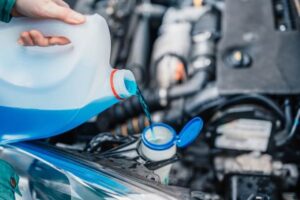
While checking coolant, it is also worth inspecting your oil, brake fluid and screen wash levels. Summer driving often means more insects, dust and pollen on the windscreen, making screen wash especially important for maintaining visibility.
Monitor Your Tyre Pressure
Your tyres are the only part of the vehicle in direct contact with the road, making them critical for both safety and performance.
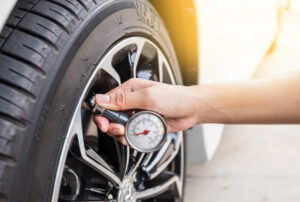
Hot weather can affect tyre pressure. As temperatures increase, the air inside tyres expands, which can alter pressure levels. Driving with incorrect tyre pressure can affect handling, braking performance, tyre wear and fuel economy.
Checking tyre pressures regularly helps ensure your vehicle performs safely and efficiently. Always refer to the manufacturer’s recommended pressure settings rather than relying on visual inspection alone.
Inspect Tyre Condition
Summer is also a good time to inspect tyres for signs of damage. Look for cracks, bulges, uneven wear or objects embedded in the tread.
Long journeys, motorway driving and hot road surfaces place additional demands on tyres. Ensuring they are in good condition reduces the risk of punctures and blowouts.
Protect Your Vehicle From Sun Damage
Extended exposure to sunlight can gradually damage both the interior and exterior of your vehicle.
Ultraviolet rays can cause paintwork to fade over time, while excessive heat can affect dashboards, steering wheels, seats and interior trim. Leather seats can become particularly hot and may crack if not properly maintained.
Whenever possible, park in shaded areas or use covered parking. If shade is unavailable, consider using a windscreen sunshade to reduce heat build-up inside the vehicle.
Protecting the Exterior
Regular washing and waxing can help protect paintwork from UV exposure and environmental contaminants. A quality wax creates a protective barrier that helps maintain the vehicle’s appearance throughout the summer.

Make Sure Your Air Conditioning Works Properly
Few things are more frustrating than discovering your air conditioning is not working properly during a heatwave.
Air conditioning systems often go unused for long periods during colder months. As a result, faults may not become obvious until temperatures rise.
If your air conditioning is not producing cold air, emits unusual smells or appears less effective than usual, it may need servicing.
Improve Air Conditioning Efficiency
When entering a hot vehicle, open the windows briefly to allow trapped hot air to escape. Once the cabin temperature begins to fall, close the windows and allow the air conditioning system to work more efficiently.
This simple step can help cool the interior more quickly while reducing strain on the system.

Use Lower Air Vents During Hot Weather
Many drivers automatically direct air conditioning through dashboard vents, but using lower vents can often improve cooling efficiency.
Heat naturally rises, meaning the hottest air within the cabin is typically found higher up. Directing cooler air towards the lower part of the vehicle helps push cooler air upwards through the cabin.
This can create a more comfortable environment and help the interior reach a pleasant temperature more quickly.

Protect Your Seats and Interior
Anyone who has sat on a black leather seat during a heatwave will understand how uncomfortable a hot vehicle can become.
Seat covers made from breathable materials such as cotton can help reduce heat absorption and improve comfort. They can also protect the original upholstery from UV damage, stains and everyday wear.
Dashboard covers can provide similar benefits by helping to reduce fading and cracking caused by prolonged sun exposure.
Protecting the interior not only improves comfort but can also help maintain the vehicle’s value over time.

Don’t Ignore Your Car Battery
Many drivers associate battery problems with winter, but hot weather can also affect battery performance.
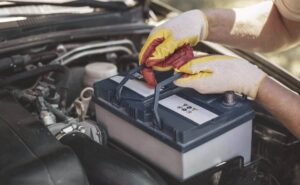
High temperatures can accelerate chemical reactions inside the battery, increasing wear and shortening its lifespan. Older batteries may be particularly vulnerable during prolonged periods of hot weather.
If your battery is several years old, consider having it tested before summer travel. This can help identify potential issues before they leave you stranded.
Vehicles Used Less Frequently
If your car is not driven regularly, ensure the battery remains adequately charged. Long periods of inactivity combined with warm temperatures can sometimes lead to battery problems.
Keep Your Windscreen Clean
Summer driving often means dealing with increased levels of dust, pollen, insects and road debris.
A dirty windscreen can significantly reduce visibility, particularly when driving into low sun during early mornings or evenings. Even a thin layer of grime can make glare much worse.
Regularly topping up screen wash and cleaning both the inside and outside of the windscreen helps maintain clear visibility.
It is also worth checking the condition of your windscreen wipers. Worn blades may smear dirt across the glass rather than removing it effectively.

Stay Hydrated During Summer Journeys
Hot weather can affect drivers as much as vehicles. Dehydration can reduce concentration, slow reaction times and increase fatigue.
If you are travelling during warm conditions, make sure there is sufficient water available for everyone in the vehicle. This becomes especially important during long journeys or when travelling with children, elderly passengers or pets.
Unexpected delays caused by traffic, roadworks or breakdowns can leave occupants sitting in hot conditions for extended periods.
Plan Ahead
Keeping extra water in the vehicle provides additional reassurance if journeys take longer than expected. Avoid relying solely on sugary drinks, as they can contribute to dehydration.

Give Your Car a Thorough Summer Clean
Summer presents the perfect opportunity to give your vehicle a comprehensive clean both inside and out.
Road salt, winter grime and dirt can accumulate over time. Removing these contaminants helps protect paintwork and keeps the vehicle looking its best.
Cleaning the interior is equally important. Vacuuming carpets, wiping surfaces and removing clutter creates a more pleasant driving environment.
Benefits Beyond Appearance
Regular cleaning does more than improve appearance. It allows you to spot minor issues such as scratches, chipped paint, damaged seals or tyre wear before they develop into larger problems.
A clean vehicle is often easier to maintain and can help preserve resale value over the long term.

Prepare for Summer Road Trips
Many people undertake longer journeys during summer holidays. Before setting off, it is worth carrying out a basic vehicle inspection.
Check fluid levels, tyre pressures, lights, brakes and battery condition. Make sure emergency equipment such as warning triangles, high-visibility jackets and phone chargers are easily accessible.
If travelling abroad, check local legal requirements and ensure your insurance provides the appropriate level of cover.
Why Preventative Maintenance Saves Money
Small maintenance tasks often take only a few minutes but can help prevent expensive repairs later.
Replacing worn wiper blades, maintaining correct tyre pressures, topping up fluids and addressing minor faults early can improve reliability while reducing the likelihood of breakdowns.
Preventative maintenance also contributes to improved fuel efficiency, lower running costs and greater confidence behind the wheel.
FAQs
Can hot weather cause a car to overheat?
Yes. High temperatures place additional strain on the cooling system, particularly if coolant levels are low or there is an existing fault.
Regularly checking coolant levels and ensuring the cooling system is functioning correctly can help reduce the risk of overheating.
Does hot weather affect tyre pressure?
Yes. Warm temperatures can affect the air pressure inside tyres, which is why regular checks are important during summer.
Maintaining the correct tyre pressure improves safety, handling, fuel economy and tyre lifespan.
Why is my air conditioning less effective in summer?
Air conditioning systems can lose efficiency over time due to low refrigerant levels, blocked filters or mechanical faults.
If cooling performance has declined, a professional inspection may help identify the cause.
Can sunlight damage a car interior?
Prolonged exposure to UV rays can fade upholstery, crack dashboards and damage interior trim.
Using sunshades, seat covers and shaded parking can help minimise these effects.
Should I check my battery during summer?
Yes. Heat can accelerate battery wear, particularly in older batteries or vehicles that are not used regularly.
Having the battery tested before summer travel can help identify potential issues before they result in a breakdown.
Keep Your Car Protected All Year Round
Summer can be one of the most enjoyable times of year for driving, but warmer weather brings its own challenges. Taking a proactive approach to vehicle maintenance helps improve reliability, comfort and safety.
Simple checks involving tyres, fluids, batteries, air conditioning and general cleanliness can go a long way towards preventing problems and ensuring your vehicle remains ready for whatever the summer months bring.
West Craven Insurance offers car insurance at competitive prices, helping protect you and your vehicle throughout the year.
Call 01756 802100 or email West Craven Insurance to discuss your car insurance requirements.