Heavy rain, flooding and damaging winds can cause major disruption with very little warning. For homeowners, severe weather can result in roof damage, water entering the property, ruined possessions and a home that may temporarily be impossible to live in. For businesses, the effects can extend much further, potentially affecting premises, stock, machinery, vehicles, employees and the ability to continue trading.
The financial consequences are substantial. Figures published by the Association of British Insurers (ABI) show that insurers paid £1.2 billion in weather-related property claims during 2025, an increase of 14% on the previous year. Weather damage to homes and possessions alone accounted for £758 million, while domestic flood claims reached £312 million. The average flood payout to a homeowner increased to £30,000.
Strong winds also remain one of the most significant causes of weather-related damage in the UK. The Met Office states that gales are the most common cause of weather-related damage and disruption, with the average annual cost of damage estimated at at least £300 million.
Those figures demonstrate why it is worth looking at your insurance before bad weather arrives rather than waiting until you need to make a claim.
Do You Know What Storm and Flood Protection You Already Have?
One of the first things to understand is that “flood and storm insurance” is not necessarily a separate policy that every homeowner or business needs to purchase.
Storm and flood damage is covered by most standard home insurance and commercial business policies, while comprehensive motor insurance will generally provide protection against insured storm and flood damage to vehicles. However, the exact protection, exclusions, limits and excesses depend on the policy you have arranged.
That distinction matters.
Simply knowing that you have buildings insurance or business insurance does not tell you everything you need to know about how a serious weather claim would be handled.
You need to understand what property is insured, the amounts it is insured for, the excess you would need to contribute towards a claim and what additional protection may be available if the building cannot be occupied after severe damage.
At West Craven Insurance Services Ltd, we do not believe in taking a one-size-fits-all approach.
We can discuss your home, business, property, vehicles and other assets so that the insurance being considered reflects your individual circumstances.
What Can Storm and Flood Damage Actually Look Like?
Severe weather does not affect every property in the same way.
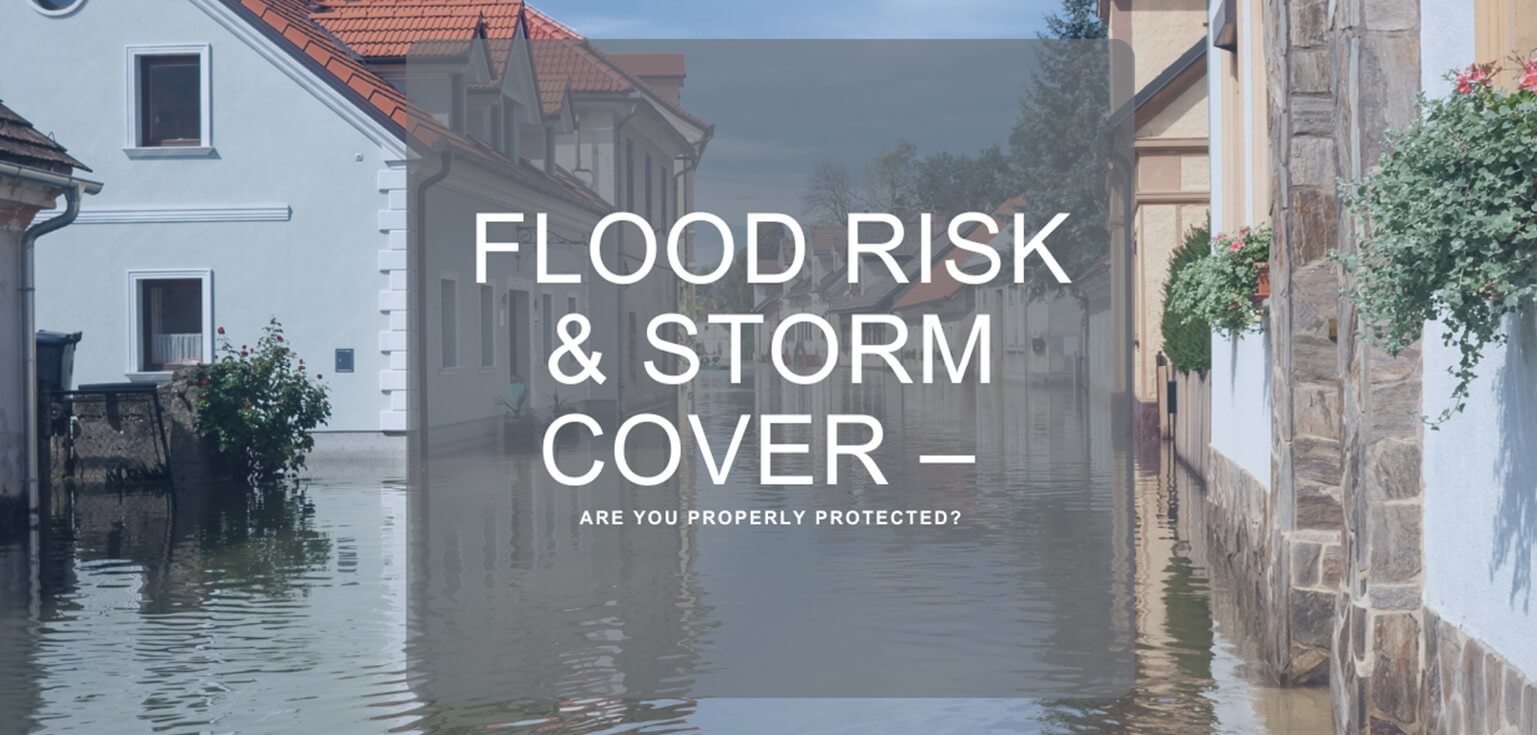
A powerful storm may remove roof tiles, damage guttering, bring down trees or send garden furniture and other objects into buildings or vehicles. Heavy rainfall can overwhelm drainage systems, while river or surface-water flooding may enter homes and commercial premises.
Once water enters a property, the problem is rarely limited to replacing a wet carpet.
Plaster, flooring, insulation, electrical installations, furniture and equipment can all be affected. Buildings may need to be professionally cleaned, disinfected and dried before repairs can begin.
The ABI advises that after serious flooding the drying process alone can take from several weeks to several months, with badly affected homeowners potentially unable to move back into their property for a much longer period.
Businesses face additional problems because severe weather may damage assets while simultaneously preventing normal trading.
A flooded shop may lose stock. A workshop could lose machinery. An office might be inaccessible. A warehouse could suffer water damage to goods awaiting delivery. Even when the building itself has escaped serious damage, flooded roads or other disruption can make it difficult for customers, employees and suppliers to reach the premises.
Insurance Protection for Homes, Businesses and Vehicles
With more than 30 years of experience in commercial and personal insurance, West Craven Insurance Services can help customers consider protection appropriate to a variety of weather-related risks.
Depending on the circumstances and policy selected, this can include:
- Home buildings and contents insurance with storm and flood protection
- Commercial buildings and business contents insurance
- Cover for stock, machinery, equipment and other insured business property
- Business interruption insurance following eligible insured damage
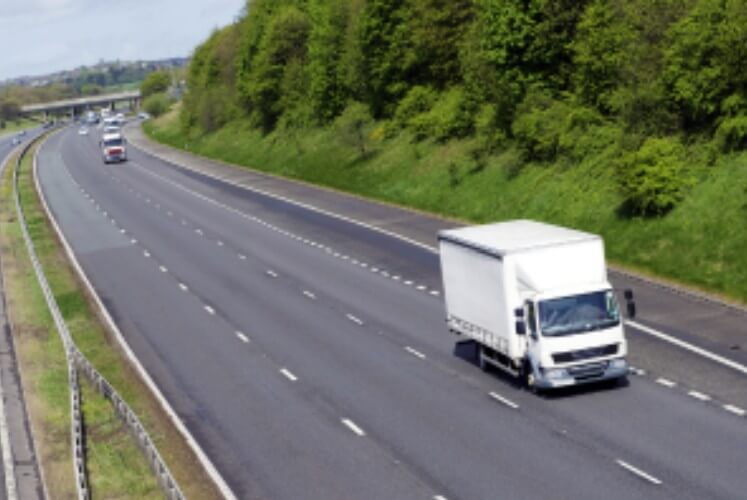
- Comprehensive motor insurance for insured storm and flood damage
- Specialist commercial and vehicle insurance
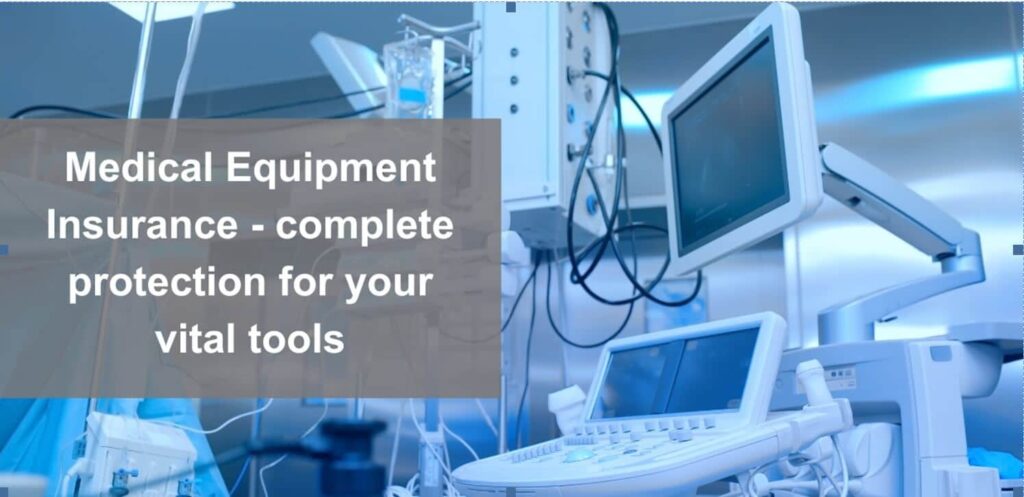
- Emergency vehicle and medical sector insurance
- Alternative accommodation protection where provided by the policy
The important point is that the policy should reflect what you actually need to protect.
A homeowner, landlord, manufacturing business, retailer and company operating a fleet of specialist vehicles all face different consequences when extreme weather strikes.
1. Financial Protection Against Expensive Storm Damage
Storm damage can range from relatively minor repairs to substantial structural work.
High winds may damage roofs, windows and outbuildings, while falling trees and flying debris can cause further damage to property and vehicles.
Appropriate insurance can help meet the cost of eligible repairs following an insured event rather than leaving the property owner to fund the entire loss.
However, it is important to check policy wording rather than assume every object surrounding the property receives the same protection. The ABI notes, for example, that fences damaged by storms or flooding are not included as standard within many policies.
Understanding exclusions before making a claim can prevent unpleasant surprises.
2. Protection for Contents, Stock and Equipment
The building is often only one part of the financial exposure.
Inside a home there may be furniture, televisions, computers, appliances, clothing and other possessions. For a business, the value could extend to stock, tools, machinery, computer systems, office equipment and specialist commercial equipment.
After serious flooding, several categories of property may be damaged at the same time.
This is why sums insured need to reflect realistic replacement values.
If a business has grown considerably since its insurance was originally arranged, the amount of stock or equipment being protected may also have increased. Homeowners may similarly have renovated their properties or purchased valuable new possessions.
Insurance should therefore be reviewed periodically rather than assuming figures entered several years ago are still appropriate.
3. Alternative Accommodation Following Serious Damage
Some flood and storm claims go beyond repairing the physical property.
If a home becomes uninhabitable, suitable home insurance can provide alternative temporary accommodation in accordance with the policy terms and limits. The ABI states that where applicable, insurers will arrange and pay for temporary accommodation while insured repairs are being completed.
This can be particularly valuable following flooding because restoring a property is not always a quick process.
Water may need to be removed, contaminated areas cleaned and the building professionally dried before reconstruction begins. Floors, plaster, kitchens and electrical systems may then need repair or replacement.
Having somewhere suitable to live while that work takes place can become one of the most important parts of a major home insurance claim.
4. Business Interruption Can Be Just as Important as Property Insurance
For business owners, one of the biggest mistakes is concentrating entirely on the cost of replacing damaged physical property.
Imagine a flood causes £50,000 of damage to a business premises. Repairing that damage is important, but what happens to the company while the work is taking place?
Sales may decline or stop altogether. Staff may still need to be paid. Rent, finance repayments and other fixed costs can continue. Temporary premises or equipment may need to be hired.
Business interruption insurance is designed to address eligible financial losses when an insured event prevents a business from operating normally.
The ABI explains that business interruption insurance can cover loss of income and increased costs of working following insured events such as storm or flood damage. Depending on the individual policy, protection can also extend to circumstances involving access to premises or disruption affecting an important supplier or customer.
For a company that relies heavily on a particular premises, business interruption can therefore be a crucial part of its wider storm and flood protection.
5. Consider How Long Your Business Could Realistically Take to Recover
Having business interruption insurance is only part of the consideration.
The period for which protection applies needs to be realistic.
A badly flooded commercial building might take months to clean, dry and repair. Specialist machinery may need replacing. Planning or building work could create further delays. Customers who moved elsewhere during the closure might also take time to return.
The ABI notes that major flood recovery can take several months and, in particularly serious cases, more than a year.
Businesses should therefore think beyond the immediate repair work when reviewing their insurance.
The question is not simply, “How long will rebuilding take?”
It is also, “How long could it take before the business is trading normally again?”
Check Your Cover Before Severe Weather Is Forecast
Insurance reviews are much easier when you are not already dealing with an approaching storm.
Before storm season, look at the policy documents covering your home or business and consider whether anything important has changed.
Have you extended your home? Purchased expensive new contents? Increased the amount of stock your company holds? Added machinery? Bought additional vehicles? Moved premises?
For commercial customers, also consider whether changes in turnover or operations mean that existing business interruption arrangements should be reviewed.
The purpose is not to predict exactly what the next storm will do. It is to make sure the insurance information accurately reflects the property and business as they exist today.
Practical Steps Before a Storm Arrives
Insurance provides financial protection, but sensible preparation can sometimes reduce the amount of damage suffered in the first place.
The Met Office recommends securing loose outdoor objects such as ladders and garden furniture, closing and fastening doors and windows and, where possible, parking vehicles away from buildings, trees, walls and fences.
Where flooding is a possibility, valuable and important items can be moved to a higher level if it is safe to do so. Property-level flood resilience measures such as flood gates and air-brick covers can also be considered.
You should always prioritise personal safety. Property can be repaired or replaced; people should not put themselves at unnecessary risk trying to protect belongings during dangerous weather.
What Should You Do After Storm Damage?
If your home, business or vehicle is damaged, contact your insurer or insurance broker as soon as possible.
Do not immediately arrange major permanent repair work without speaking to the insurer unless emergency action is necessary for safety or to prevent further damage.
Where temporary emergency repairs are required, keep receipts and records of what has been spent. The ABI also recommends avoiding the immediate disposal of damaged items unless they present a health risk, as the insurer may need to assess whether they can be repaired or restored.
Taking photographs and video of the damage can also provide useful evidence.
For businesses, contact your broker or insurer promptly and establish what information will be required to support the claim. If business interruption protection is in place, discuss the effect the incident is having on your ability to trade rather than focusing solely on the physical damage.
Flood Recovery Can Take Time
Flood claims can be particularly complicated because rebuilding cannot always begin as soon as the water disappears.
The property may need to be cleaned and stripped out before specialist drying begins. Only when sufficiently dry can reconstruction progress safely.
Depending on the damage, loss adjusters, surveyors, drying companies and building contractors may all become involved.
Homeowners whose property has flooded can also ask their insurer whether they are eligible for Build Back Better. The ABI explains that this can include property flood-resilience measures as part of eligible flood repairs, helping make a home more resistant or resilient to future flooding.
This is another reason why keeping in regular contact with the insurer during a serious claim is important.
Don’t Assume the Cheapest Policy Gives You the Best Protection
Price will naturally influence any insurance decision, but the lowest premium should not be considered in isolation.
A cheaper policy may have a larger excess, different limits or exclusions that become important when a serious loss occurs.
For homeowners, areas worth considering include buildings values, contents protection, alternative accommodation limits and applicable excesses.
Businesses may need to look much wider, considering stock, machinery, commercial buildings, vehicles and the financial consequences of interruption.
This is one of the benefits of speaking to an independent insurance broker rather than selecting cover purely from a headline price.
At West Craven Insurance Services, we take the time to understand what you need to protect and can discuss the different insurance options available.
More Than 30 Years of Independent Insurance Experience
West Craven Insurance Services has more than 30 years of experience arranging commercial and personal insurance.
We provide tailored solutions rather than assuming that every customer needs exactly the same cover.
Whether you are looking to insure your home, a commercial property, business equipment or specialist vehicles, our team can discuss the risks involved and help you consider appropriate protection.
There are no impersonal call centres. You can speak to experienced people who will take the time to understand your circumstances and answer questions about the insurance being arranged.
Don’t Wait for the Next Downpour
Storms and floods cannot always be prevented, but the financial consequences can be managed more effectively when appropriate insurance is already in place.
The best time to find out whether your home, business or vehicles have suitable protection is before you need to make a claim.
Check your sums insured, review the assets you need to protect and consider how you would cope if your home became temporarily uninhabitable or your business could not operate normally.
West Craven Insurance Services can help you review the cover available and find insurance suited to your individual circumstances.
We aim to beat every genuine quotation and can offer flexible payment options through premium finance or insurer instalments where available.
For a free competitive quotation, complete one of our online quote request forms or call us today on 01756 802100.
Visit West Craven Insurance Services to find out more about our personal, commercial and specialist insurance solutions.