Flash flooding can happen quickly and with very little warning. Heavy rain, thunderstorms, overwhelmed drains, surface water, blocked gullies and already saturated ground can all lead to water entering homes, commercial premises, yards, car parks, stock rooms and offices. Even where a property has never flooded before, sudden rainfall can create serious problems in a short space of time.
Floodwater can be dangerous as well as damaging. It may be fast-moving, contaminated, deeper than it appears and carrying debris that can cause injury or damage. For businesses, flash flooding can also interrupt trading, damage stock, affect vehicles, close premises, stop staff from working and create wider disruption across supply chains.
At West Craven Insurance, we understand how stressful flooding can be for households and businesses. The guidance below explains what you can do before, during and after a flood, along with practical steps that may help reduce damage and support an insurance claim.
Helpful Flooding Contacts
If your property is at risk of flooding, use official sources for current warnings and local advice. Flood conditions can change quickly, so it is important to check for updates regularly rather than relying on old information or social media posts.
- Floodline: 0345 988 1188
- National Gas Emergency Service: 0800 111 999
- Emergency services: 999 if there is danger to life
- Your local council for local flooding, road closures and sandbag advice
- Your insurer or insurance broker if you need to make a claim
You can also sign up for flood warnings by phone, text or email through the official flood warning service. This can be particularly useful for businesses with premises in known flood-risk areas, properties close to rivers, low-lying sites, farms, warehouses, shops with basements, or buildings where staff are not always present.
What to Do If Flooding Is Forecast
If heavy rain or flash flooding is forecast, take early action where it is safe to do so. Flash flooding often develops quickly, so waiting until water reaches the property may leave very little time to protect people, stock, equipment or important documents.
Move valuable items, paperwork, stock, tools, electrical equipment and sentimental possessions upstairs or to higher shelves. For businesses, this may include laptops, servers, card machines, portable machinery, customer records, order books, stock, chemicals and specialist equipment. If vehicles are parked in a low-lying area, move them to higher ground if it is safe and practical.
If you have flood protection products, such as flood boards, air brick covers, non-return valves or flood barriers, fit them as early as possible. Make sure staff know where these items are stored and how they should be used. A flood plan is far more useful when everyone understands it before the water arrives.
Indoor Precautions for Homes and Business Premises
Inside the property, the priority is safety. If flooding is expected and it is safe to do so, turn off gas, electricity and water at the mains. Do not touch electrical switches if you are standing in water. If you are unsure whether it is safe to isolate services, wait for professional guidance.
Unplug electrical items and move them above floor level. In a commercial setting, this may include computers, printers, payment terminals, routers, chargers, tools and portable appliances. Where equipment is connected to fixed pipework or rigid fittings, disconnecting it may help reduce damage if items begin to move or float.
Block sinks, baths and low-level drains where appropriate, as floodwater can sometimes enter through drainage systems. Weighed-down plugs, drain covers and non-return valves may help reduce backflow. Furniture or stock that cannot be moved should be raised, secured or positioned in a way that reduces the chance of it floating and causing further damage.
Outdoor Precautions Before Floodwater Arrives
Outside the property, clear drains, gutters and gullies if it is safe to do so before heavy rain starts. Blocked drains can make surface water flooding worse, especially around car parks, yards, loading bays, shop entrances and low-level doorways.
Move outdoor furniture, bins, pallets, loose signage, plant pots, tools and other moveable items to a secure place. Floodwater can carry loose objects into doors, windows, vehicles and neighbouring properties. For businesses, securing outdoor stock, gas bottles, waste containers and delivery equipment can reduce further damage and liability risks.
If your premises use propane gas, oil storage tanks or external fuel supplies, make sure valves are turned off where safe and appropriate. If flood boards, sandbags or barriers are used to cover doors, vents, lower windows or air bricks, remove them once the flood risk has passed so the building can begin to ventilate.
What Not to Do During a Flood
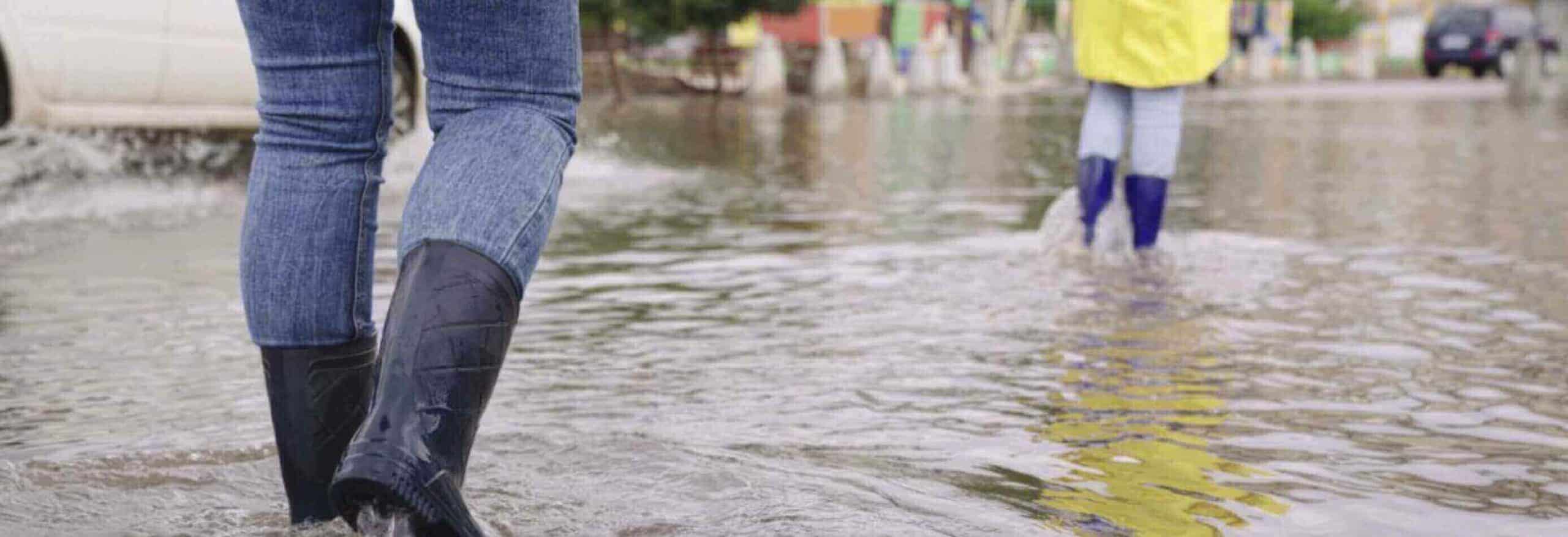
Do not walk through floodwater unless there is no safe alternative. It can be deeper, faster and more hazardous than it looks. Hidden drains, lifted manhole covers, sharp debris, sewage, chemicals and uneven ground can all make floodwater dangerous.
Do not drive through floodwater. Even shallow-looking water can damage a vehicle, affect brakes, flood the engine or sweep the vehicle away if the water is moving quickly. If the road is flooded, turn around and find another route.
Do not allow children or pets to play in floodwater or touch contaminated items. Do not enter basements, cellars, underground car parks or enclosed areas where water may rise quickly or fumes may build up. Do not re-enter a flooded property until you are sure it is safe.
What Businesses Should Do During Flash Flooding
For businesses, the first priority is protecting people. Staff, customers, visitors and contractors should be moved away from floodwater, electrical hazards, unstable structures and fast-moving water. If the emergency services or local authority advise evacuation, follow their instructions.
If the business must close temporarily, keep a record of the time, reason and impact. Make a note of staff affected, cancelled bookings, lost orders, damaged stock, vehicle disruption and any action taken to reduce loss. This information may be useful if a claim includes business interruption or loss of income.
Where safe, take photographs or videos before moving damaged items. This can help show the cause and extent of damage. However, do not put yourself or staff at risk to gather evidence. Safety comes first.
After a Flood: First Steps
Once floodwater has passed, do not rush back into the property. Flood-damaged buildings can contain electrical hazards, contaminated water, unstable flooring, weakened walls, damaged ceilings, broken glass and hidden debris. If you can smell gas, call the National Gas Emergency Service immediately and avoid using electrical switches, flames or appliances.
Contact your insurer or broker as soon as possible. Explain what has happened, when the flooding occurred, what has been damaged and whether the property is safe to access. Follow the claims guidance you are given before disposing of damaged items, unless they present an immediate health risk.
Take photographs and videos of the damage, including water marks, damaged flooring, stock, equipment, furniture, walls, doors, vehicles, external areas and any visible entry points for water. Keep receipts for emergency repairs, cleaning, temporary accommodation, drying equipment or alternative business arrangements.
Cleaning Up After Flood Damage
Floodwater may contain sewage, chemicals, fuel, bacteria and other contaminants. Wear protective clothing, gloves, boots and a mask when handling damaged items. Wash hands thoroughly and avoid direct contact with floodwater wherever possible.
Open doors and windows to ventilate the building if it is safe. Remove wet items where instructed by your insurer or loss adjuster, but keep a record of what has been removed. Do not switch electrical items back on until they have been checked by a qualified professional.
Drying a property properly can take time. Rushing decoration, flooring or repairs before the building has dried can lead to mould, damp, odours and further damage. Businesses should also consider whether stock, tools, documents or equipment are safe to use before reopening.
Flooding and Insurance Claims
If your home or business has been affected by flooding, your insurance policy may respond differently depending on the cover arranged. Buildings insurance may deal with the structure of the property. Contents insurance may cover furniture, stock, equipment or personal belongings. Business interruption insurance may help where trading has been affected following insured damage.
For commercial customers, it is important to check whether the policy includes stock, fixtures and fittings, machinery, computer equipment, loss of income, increased cost of working and alternative premises. If vehicles, plant or tools are damaged, these may be dealt with under separate policies depending on how cover has been arranged.
Claims are usually easier to manage when there is clear evidence. Keep photographs, videos, invoices, repair quotes, cleaning records, correspondence, stock lists, cancelled order details and any communication from local authorities or emergency services.
Five Ways to Protect Your Business from Future Flooding
1. Check your flood risk
Even if your premises have never flooded before, the risk can change over time. New developments, blocked drainage, hard landscaping, climate patterns and nearby watercourses can all affect surface water and flood behaviour. Check your long-term flood risk and sign up for alerts if available.
2. Create a flood plan
A simple flood plan should explain who does what, where key items are stored, how utilities are turned off, which stock or equipment should be moved first, who contacts staff and customers, and how the business communicates if the premises have to close.
3. Improve property resilience
Consider practical changes such as raising electrical sockets, installing flood barriers, fitting non-return valves, improving drainage, storing stock above floor level and keeping valuable equipment away from basements or low points. Small changes can reduce the scale of damage.
4. Review your business continuity plan
Flooding can affect more than the building itself. Staff may be unable to travel, suppliers may be delayed, power may be lost and customers may need updates. A business continuity plan can help you keep operating or recover faster after disruption.
5. Review your insurance regularly
Your insurance should reflect the way your business operates now, not how it operated several years ago. Review sums insured, stock levels, machinery, business interruption periods, vehicles, equipment and any changes to premises use. Underinsurance can cause problems at claim stage.
Flood Preparedness Checklist
- Know your flood risk and sign up for alerts
- Keep insurance documents and emergency numbers accessible
- Move valuable items, stock and equipment above floor level
- Know how to turn off gas, electricity and water safely
- Store flood boards, air brick covers and barriers where staff can find them
- Back up business data securely and regularly
- Keep a record of stock, equipment and important business assets
- Check drains, gutters and gullies before heavy rainfall
- Photograph damage before cleaning up where safe
- Contact your insurer or broker promptly after a flood
How West Craven Insurance Can Help
Flooding can be upsetting, disruptive and expensive. Whether you are a homeowner, landlord, shop owner, office-based business, hospitality venue, agricultural business, contractor or commercial property owner, it is important to understand the protection you have in place before a flood happens.
West Craven Insurance can help customers review their cover, understand policy requirements and consider whether flood, contents, stock, business interruption or property protection is suitable for their needs. If your property or business has changed, or if you are unsure whether your current insurance is still adequate, it is worth reviewing your arrangements.
If you need to make a claim, contact your insurer or broker as soon as possible and follow the guidance provided. Keep clear records, take photographs where safe and avoid disposing of damaged items until you have been advised what to do.
FAQs About Flash Flooding and Insurance
What should I do first if my property is about to flood?
Your first priority should be safety. Move people, pets, vehicles and important items to a safe place. If it is safe, turn off gas, electricity and water at the mains, but do not touch electrical switches if you are standing in water.
You should also contact your insurer or broker as soon as possible if damage occurs. Take photographs and keep records, but do not put yourself at risk to gather evidence.
Can I claim for flood damage on my insurance?
This depends on your policy and the cover you have arranged. Buildings, contents, stock, equipment and business interruption may be covered under different sections, so it is important to check the policy wording and speak to your insurer or broker.
Commercial policies can vary significantly. A shop, office, warehouse, farm or hospitality business may need different cover depending on the property, stock, machinery, vehicles and income exposure involved.
Should I throw away flood-damaged items straight away?
Do not dispose of damaged items until your insurer or loss adjuster has told you what to do, unless the items create an immediate health or safety risk. Take photographs first and keep a written record of what has been damaged.
Where food, contaminated stock or hazardous materials are involved, you may need specialist advice. Businesses should also keep stock lists, supplier invoices and disposal records where possible.
How can businesses reduce flood disruption?
Businesses can reduce disruption by having a flood plan, keeping key equipment above floor level, backing up data, maintaining drainage, training staff and checking insurance cover before an incident happens. Planning ahead can make the response much faster.
It is also sensible to review business interruption insurance. Physical repairs are only part of the problem if flooding stops the business from trading normally.