
Autumn is a sensible time for UK businesses to review both their physical risks and their insurance arrangements before wetter, colder and more disruptive winter weather arrives.
Preparing does not simply mean checking whether an insurance policy is still active. Buildings, stock levels, equipment values, staffing, vehicles and working practices can all change during the year. If your insurance still reflects how the business operated at the last renewal rather than how it operates today, gaps in protection can develop without being obvious.
A useful autumn review should therefore cover three areas: reducing preventable risks, checking that insured values remain accurate and making sure your policies still match the way the business trades.
Check Your Commercial Property Before Winter Weather Arrives
Roofs, gutters, drainage, pipework and heating systems can become particularly important once persistent rain, high winds, frost and low temperatures arrive.
Minor maintenance problems that cause little concern during summer can become much more serious during winter. A partially blocked gutter can overflow during prolonged rain. A damaged roof tile can allow water into a building. An exposed pipe can freeze during a cold spell and subsequently burst.
Businesses responsible for their own premises should consider an autumn inspection covering:
- Roof coverings, flashing and visible signs of damage
- Gutters, downpipes and drainage channels
- External doors, windows and seals
- Trees, branches and loose external items near buildings
- Pipes located in unheated or exposed areas
- Heating and boiler systems
- External lighting
- Car parks, paths, steps and access areas
- Signs of existing damp, water ingress or drainage problems
Tenants should also understand which maintenance responsibilities belong to them and which remain with the landlord.
Commercial Property Insurance can provide protection against certain insured events affecting buildings, contents and other business assets, but good maintenance remains important. Policies can contain conditions relating to property maintenance, security, heating or unoccupied premises, so businesses should understand what their own policy requires.
Clear Roofs, Gutters and Drainage
Fallen leaves are one of the most predictable autumn risks.
Leaves and other debris can restrict gutters, gullies and drains, causing rainwater to back up or overflow. Water may then find its way into roof spaces, walls, stock areas or customer-facing parts of a building.
Before the worst weather arrives, arrange for gutters and drainage systems to be inspected and cleared where it is safe to do so.
The same principle applies to flat roofs. Leaves and debris can obstruct outlets and increase the amount of standing water on the roof. Any inspection or maintenance at height should be carried out using appropriate access equipment and safe working procedures.
Protect Pipework Against Freezing
Frozen pipes can cause significant damage when temperatures fall.
Water expands when it freezes. A frozen pipe can split and may release a substantial amount of water once temperatures rise again.
Businesses can reduce the risk by identifying vulnerable pipework before winter. Pipes running through roof spaces, external buildings, warehouses, plant rooms and poorly heated sections of a property may require additional insulation.
It is also useful to know where the building’s stopcock and isolation valves are located. Staff responsible for the premises should know how to shut the water supply off quickly if a leak occurs.
Check Your Exposure to Flood and Storm Damage
Flooding does not only affect businesses located beside rivers.
Heavy rainfall can overwhelm drainage systems, cause surface water flooding and affect roads, car parks, basements, warehouses and ground-floor premises.
Consider where water would travel during exceptionally heavy rain.
Could water enter beneath doors? Are valuable goods stored directly on the floor? Is electrical equipment located in a basement? Could blocked drainage cause water to collect around the building?
Where appropriate, moving valuable stock or equipment away from floor level can reduce potential damage.
Storm risk should also be considered. Loose signage, fencing, storage containers, bins, temporary structures and external equipment can become damaged or create hazards during strong winds.
Review Your Buildings Sum Insured
Property maintenance is only one side of winter preparation. The amount for which the property is insured also needs to remain realistic.
The buildings sum insured should normally reflect the cost of rebuilding the property rather than its market value.
These figures can be very different.
Rebuilding can involve demolition, debris removal, professional fees, labour, materials and compliance with current building requirements. If the declared value is substantially below the actual rebuilding cost, the business may be underinsured.
Businesses that have extended, refurbished or altered their premises since the last valuation should pay particular attention to this.
Changes such as a new mezzanine, warehouse extension, upgraded production area, commercial kitchen or specialist fit-out may affect the amount that needs to be insured.
Recalculate Stock and Equipment Values
Businesses often accumulate equipment gradually.
A new computer here, another machine there and additional furniture or tools may not seem significant individually. Over several years, however, the replacement value of business contents can increase considerably.
Autumn is therefore a useful time to create or update an asset inventory.
Include items such as:
- Computers and servers
- Machinery
- Tools
- Office furniture
- Telecommunications equipment
- Specialist production equipment
- Retail fixtures
- Warehouse equipment
- Portable devices
Values should generally reflect realistic replacement costs rather than what an item originally cost or its depreciated accounting value.
Allow for Seasonal Stock Increases
Retailers, wholesalers, distributors and other seasonal businesses may hold considerably more stock during autumn and the run-up to Christmas than during quieter periods.
Check whether your normal stock sum insured is sufficient for the highest value likely to be held.
This can also apply to raw materials, finished goods and imported products.
Ask whether stock levels temporarily increase at particular times of year and whether the policy includes any automatic seasonal increase provisions. Do not assume additional stock is automatically covered.
Could Your Business Survive a Temporary Closure?
Replacing a damaged roof or destroyed equipment is only part of recovering from a serious incident.
The business may also lose income while repairs are completed.
Business interruption insurance is designed to protect against certain financial consequences when an insured event disrupts normal trading.
Depending on the policy, this can help address lost income and continuing expenses during the recovery period.
When reviewing business interruption cover, consider how long the business would realistically need to recover following a major incident.
Replacing specialist machinery could take months. A heavily damaged property may require planning, contractors, building work, inspections and refitting before trading can resume.
The correct indemnity period therefore needs to reflect a realistic recovery scenario rather than simply the amount of time initially expected to repair the physical damage.
Prepare Your Business Vehicles and Fleet
Autumn creates a different driving environment.
Dark mornings, earlier evenings, heavy rain, surface water, fog, fallen leaves and low sun can all make driving more difficult.
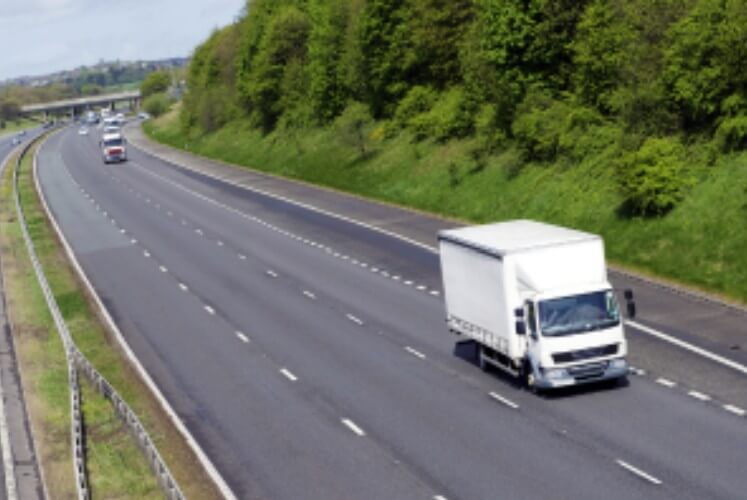
Businesses operating vans, company cars or larger fleets should carry out seasonal vehicle checks rather than waiting for problems to appear.
A practical winter fleet review should include:
- Tyre condition and tread depth
- Tyre pressures
- Headlights and brake lights
- Fog lights where fitted
- Windscreen condition
- Wiper blades
- Screen wash
- Battery condition
- Brakes
- Coolant and antifreeze
- Heating and demisting systems
Tyres should be monitored throughout their working life and inspected for damage, irregular wear and deterioration rather than relying solely on minimum legal requirements.
Motor Fleet Insurance should also be reviewed if vehicles, drivers or business activities have changed since the policy was arranged.
Update Your Fleet Insurance Details
A fleet can change significantly during a year.
Ask whether you have:
- Purchased additional vehicles
- Sold vehicles
- Taken on new drivers
- Changed the type of vehicles operated
- Started making different types of deliveries
- Expanded the geographical area in which vehicles operate
- Changed vehicle usage
- Started carrying different goods or equipment
Changes affecting how vehicles are used should be reflected accurately in the insurance arrangements.
It is particularly important that the declared business use matches what drivers actually do.
Prepare Drivers for Seasonal Conditions
Vehicle maintenance is only part of fleet risk management.
Drivers should also understand how winter conditions affect stopping distances, visibility and vehicle handling.
Autumn hazards include low sun, wet leaves, standing water, fog and glare from wet roads.
Company drivers should be encouraged to allow more time for journeys, maintain appropriate distances from other vehicles and adjust their speed to the conditions.
An emergency kit can also be useful for vehicles travelling long distances or through rural areas. Depending on the journey, this could include:
- Ice scraper
- De-icer
- Torch
- High-visibility clothing
- Warm clothing
- Phone charging cable
- Drinking water
- First-aid kit
Reduce Slips, Trips and Falls Around Your Premises
Wet leaves, mud, rainwater, frost and poor lighting can increase slip and trip risks during autumn and winter.
Entrances, paths and car parks should be inspected regularly.
Particular attention should be given to:
- Loose paving
- Moss
- Mud
- Standing water
- Poor lighting
- Slippery decking
- Uneven steps
Absorbent entrance mats can help reduce water being carried into buildings, while grit may be required where frost or ice is expected.
Businesses should also have a clear process for reporting and dealing with hazards rather than relying on problems being noticed informally.
Review Employers’ and Public Liability Risks
Seasonal conditions can affect both employees and visitors.
Employees may be more exposed to slips, vehicle incidents, manual handling problems or outdoor working hazards during poor weather.
Customers, delivery drivers, contractors and other visitors may also encounter wet floors, icy paths or poorly lit entrances.
Most businesses employing staff will need to consider Employers’ Liability Insurance, and workforce information should remain accurate. This is particularly important if the business has taken on additional employees, temporary staff, apprentices or other workers since the insurance was arranged.
Public liability can also be important where customers, visitors or members of the public interact with the business.
Where several liability risks exist, Combined Liability Insurance can bring relevant areas of protection together, depending on the activities of the business and the policy selected.
Do Not Forget Cyber Risks During Winter
Winter preparation is not limited to physical property.
Many businesses have become increasingly dependent on cloud systems, remote access, email, online ordering and digital communications.
Seasonal disruption can make that reliance even greater.
Poor weather may prevent employees reaching the workplace and lead to increased home working. Staff may access systems from different networks and devices, potentially changing the organisation’s cyber exposure.
Businesses should check:
- Multi-factor authentication is enabled where appropriate
- Critical data is backed up
- Backups can actually be restored
- Staff know how to report suspicious emails
- Software and security updates are current
- Access belonging to former employees has been removed
- Remote-access systems are appropriately secured
- Incident response procedures are documented
Cyber Insurance may provide protection against certain financial and operational consequences of cyber incidents, depending on the policy. This can include areas such as data breach response, forensic investigation, system restoration and business interruption caused by an insured cyber event.
Has Your Business Changed Since the Last Insurance Renewal?
One of the most useful questions in any autumn insurance review is simple:
Does the insurance still describe the business as it operates today?
Businesses evolve gradually, which can make important changes easy to overlook.
Since the last renewal, you may have:
- Increased turnover
- Employed more people
- Purchased expensive equipment
- Added vehicles
- Increased stock
- Moved premises
- Extended existing premises
- Started selling online
- Introduced new products
- Changed suppliers
- Added business activities
- Begun working at different locations
- Started exporting
- Changed contracts with customers
- Introduced remote working
Any significant change should be discussed with the appropriate insurance adviser rather than waiting automatically for the next renewal.
Review Your Business Continuity Plan
Insurance is one part of resilience. Businesses also need to know how they would operate immediately after an incident.
Consider what would happen if tomorrow morning:
- Your premises were inaccessible
- Your building had no electricity
- A server stopped working
- A key supplier could not deliver
- Several employees could not reach work
- Your telephone system failed
- Your warehouse flooded
- A company vehicle was taken off the road
Identify which activities must continue and which resources are required to keep them running.
Contact details for employees, suppliers, contractors, insurers and other critical contacts should be available somewhere that can still be accessed if your normal premises or IT systems are unavailable.
Your Autumn Business Insurance Checklist
Before winter arrives, work through the following review:
- Inspect the roof and exterior of the building
- Clear gutters and drainage
- Protect exposed pipework
- Service heating where required
- Check flood and surface-water exposure
- Secure loose outdoor equipment
- Review the buildings sum insured
- Update stock valuations
- Review equipment replacement values
- Consider seasonal stock increases
- Check business interruption limits and indemnity periods
- Inspect company vehicles
- Check tyres, lights, wipers and screen wash
- Update fleet vehicle and driver information
- Review seasonal workplace hazards
- Check Employers’ Liability details
- Review public and combined liability exposures
- Review cyber security and remote-working arrangements
- Update your business continuity plan
- Report material changes to your insurance provider
Do Not Wait for Winter to Expose a Gap
The best time to discover that a gutter is blocked, a pipe needs insulating or an insurance limit is out of date is before severe weather arrives.
Autumn provides a natural opportunity to inspect the physical condition of your business, review seasonal risks and make sure your insurance reflects current property values, stock, equipment, vehicles, employees and trading activities.
A business that has grown or changed during the year should not assume that last year’s insurance arrangements automatically remain suitable.
A structured autumn review can reduce avoidable losses and help ensure that, if winter does cause disruption, the business is in a stronger position to recover.